Sourcing steel pipes feels risky. A wrong ASTM spec can cause project delays and costly rejections. This guide makes navigating these complex standards simple and safe for your project.
To navigate ASTM standards, focus on the differences between pipe and tube, learn key specs like A53, A106, and A312, and always reference general requirements like A999. This ensures you select the correct material for pressure, temperature, and corrosion, preventing costly project mistakes.
I've spent over 20 years in this industry, not just selling pipes but running my own stainless steel pipe and fittings factory. I’ve seen firsthand how a small oversight in a purchase order can snowball into a massive problem. The key isn't just knowing the product codes; it's understanding the system behind them. Let's start with the most basic, and often most confused, distinction.
What Are the Key Differences Between ASTM Standards for Steel Tubes and Steel Pipes?
Confused by the terms "tube" and "pipe"? Ordering the wrong one can lead to parts that don't fit and fail inspection. Let's clear up this common and costly mistake.
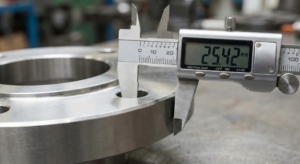
ASTM standards for pipes focus on nominal inside diameter (ID) for conveying fluids (e.g., A106). Standards for tubes focus on precise outside diameter (OD) and wall thickness for structural and mechanical applications (e.g., A269). This core difference dictates their dimensions, tolerances, and use cases.
In my experience, mixing up pipe and tube is a simple mistake that can have huge consequences. It's a costly one. The fundamental difference is in how they are measured and what they are used for. A pipe is a vessel to move something, so its capacity, or inner dimension, is most important. A tube is a component that needs to fit precisely into something else, so its exact outer dimension is critical. I see procurement managers make this mistake when under pressure, and it always leads to rework.
How Measurement Drives Application
| Feature | Steel Pipe | Steel Tube |
|---|---|---|
| Primary Measurement | Nominal Pipe Size (NPS) & Schedule (Wall) | Outside Diameter (OD) & Wall Thickness |
| Governing Use | Fluid/Gas conveyance | Structural/Mechanical applications |
| Shape | Almost always round | Round, square, rectangular, oval |
| Tolerances | Looser | Tighter and more precise |
Think of it this way: for an A106 pipe, the NPS gives you a standard "name" for the bore, not an exact measurement. But for an A213 heat exchanger tube, the OD must be precise to fit into the tube sheet. This is why you can't just substitute one for the other. The standard itself is built around this specific purpose.
Which ASTM Standards Should Buyers Know for Stainless Steel and Carbon Steel Pipes?
Overwhelmed by countless ASTM codes? Choosing the wrong one means getting material that can't handle the job. Here are the essential standards you need to know for your projects.
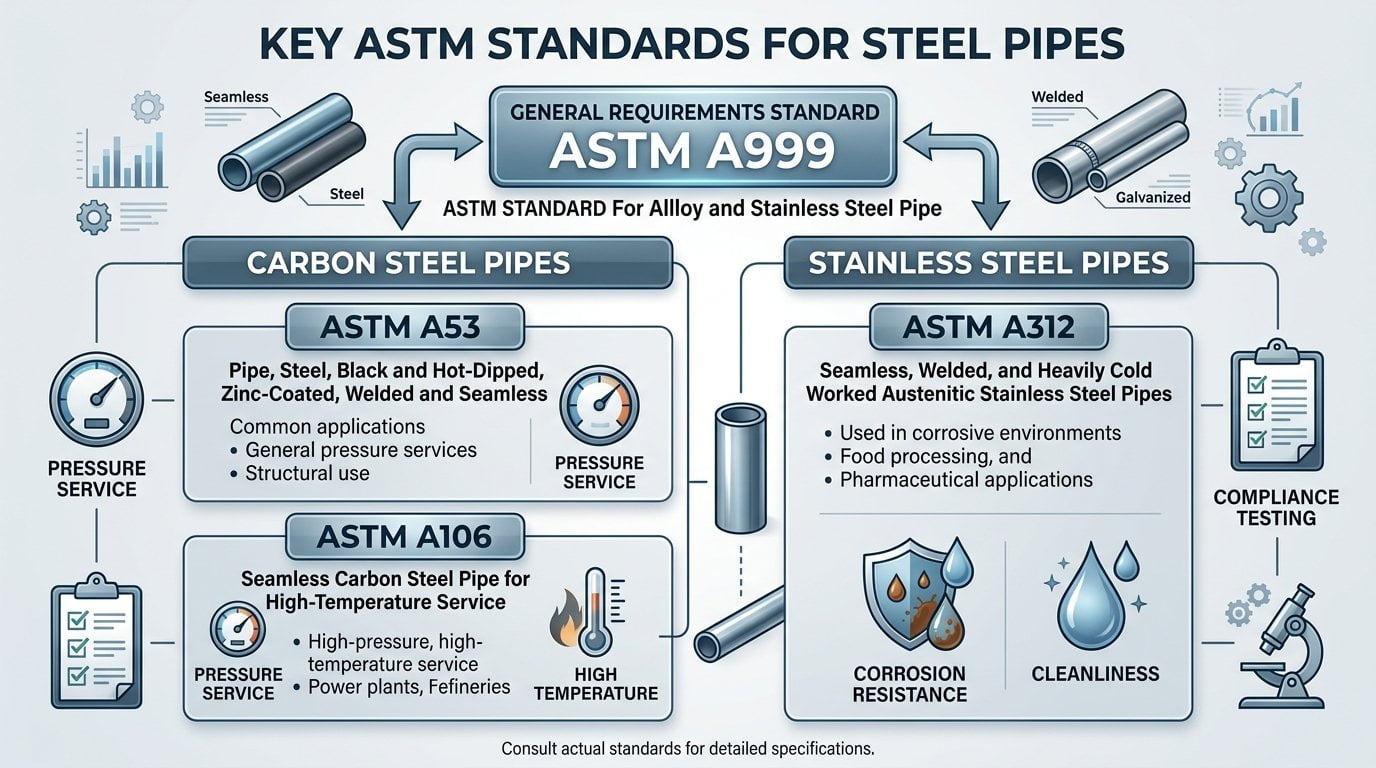
For carbon steel pressure pipes, focus on ASTM A53 (general use) and A106 (high-temperature service). For stainless steel, A312 is key for corrosive or high-temp applications. Always remember to pair these with general requirement standards like A999, which cover testing and acceptance criteria.
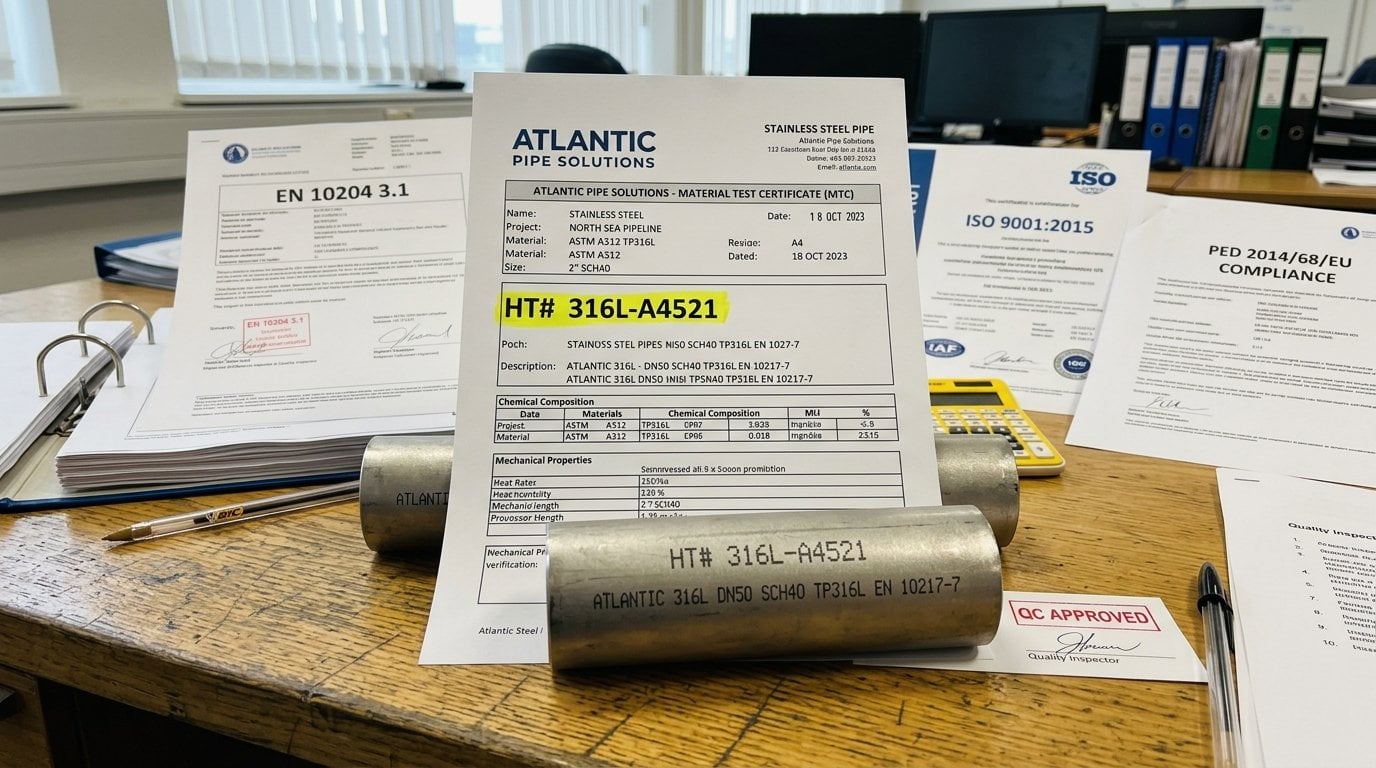
As a manufacturer, I see purchase orders every day. The best ones are clear and specific. They don't just list a material; they cite the right standard. You don't need to know every single one, but a few are the backbone of most industrial projects. Knowing these core standards saves you time and reduces risk.
Core Product Specifications
- ASTM A53/A53M: This is your workhorse standard for carbon steel pipe. It covers welded and seamless pipe for general use like coiling, bending, and flanging. It's versatile but not for high-temperature service.
- ASTM A106/A106M: When the temperature rises, you need A106. This is for seamless carbon steel pipe specifically for high-temperature service. It's a common spec for power plants and refineries.
- ASTM A312/A312M: This is the primary standard for austenitic stainless steel pipe. It's designed for high-temperature and general corrosive service. This is where you'll find your 304/316 grades.
The "Rulebook" Standard
The biggest mistake I see is buyers forgetting the general requirements. ASTM A999/A999M is the rulebook for A312 pipes. It tells you how to test, what markings are needed, and the criteria for acceptance. A product standard without its general requirements is an incomplete spec.
How Do You Choose the Right ASTM Pipe Specification for Pressure, Temperature, and Corrosion?
Worried your pipes might fail under pressure or corrode too fast? Selecting the wrong spec for your service conditions is a recipe for disaster. Let's make sure you choose correctly.
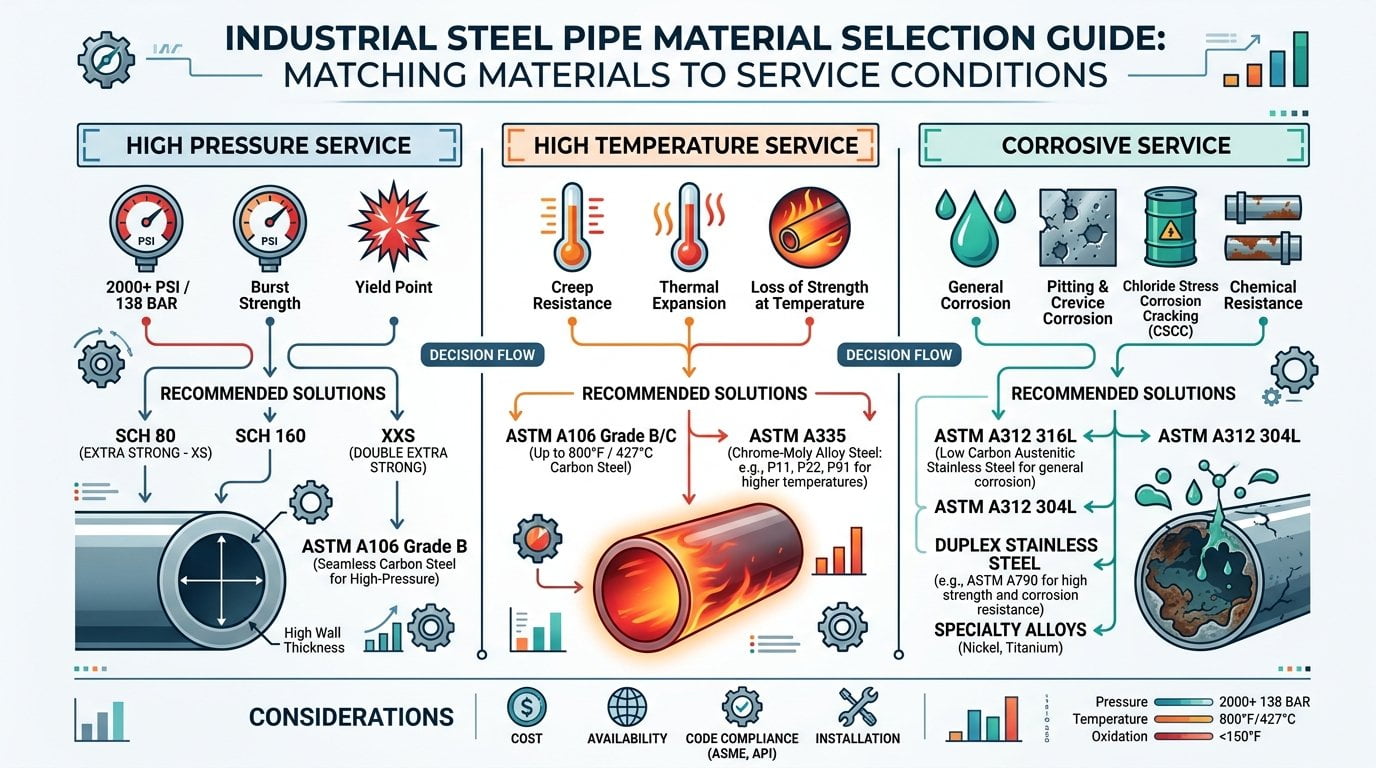
To choose the right spec, lock in three key variables: operating pressure, temperature, and the media being transported. For high pressure and temps, select a higher Schedule number and a material grade like A106 Grade B/C. For corrosion, match the material (e.g., 316L for chlorides) to the chemical media.
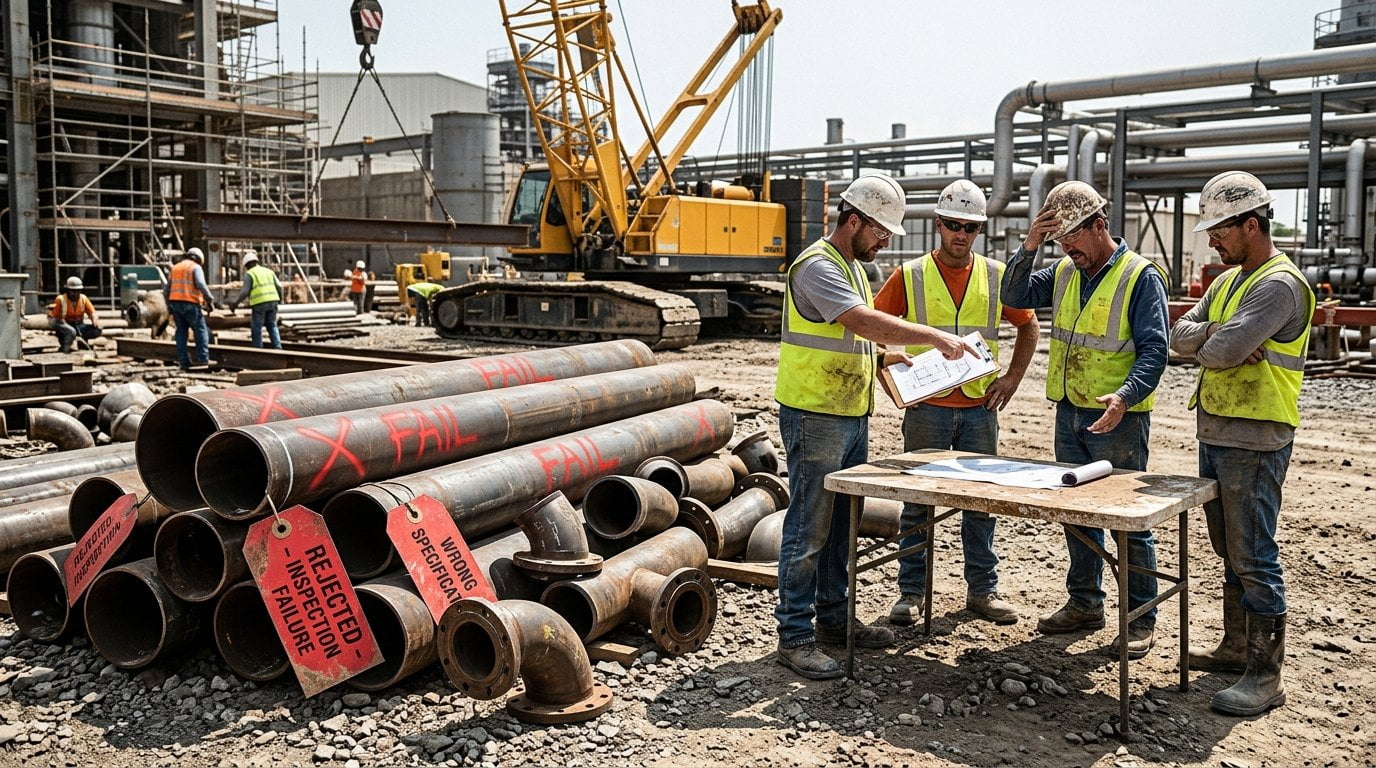
At my factory in Lishui, we don't start making anything until the service conditions are crystal clear. Sourcing is the same. You are not buying a part number; you are buying a performance guarantee. To get it right, you need to define the operating environment first. This is the difference between simply ordering a product and engineering a solution.
A Simple Decision Framework
Answer these questions before you even look at a standard:
- What is the maximum pressure? This determines the required wall thickness, or Schedule (SCH).
- What is the temperature range? This dictates the material grade (e.g., carbon steel vs. stainless, or specific grades within each).
- What is flowing inside the pipe? This is critical for corrosion resistance.
Here’s a basic guide:
| Service Condition | Key Consideration | Example ASTM Solution |
|---|---|---|
| High Pressure | Wall Thickness (Schedule) | A106 with SCH 80 or higher |
| High Temperature | Material Grade | A106 Grade B/C or A312 (Stainless) |
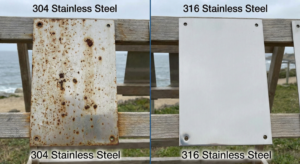
| Corrosive Media | Material Composition | A312 Grade 316L (for chlorides) |
The trick is that these factors work together. High pressure at high temperature is more demanding than high pressure at room temperature. The right specification is the one that safely covers your project's unique combination of these three factors.
What Documents and Certifications Should Procurement Managers Check Before Ordering ASTM Steel Pipes?
Afraid of receiving non-compliant materials? Paperwork that doesn't match the product can cause huge headaches and legal issues. Here’s what you absolutely must check before you buy.
Always request a Material Test Certificate (MTC) or Mill Test Report (MTR) compliant with EN 10204 3.1. This document must trace back to the product via the heat number. Also, verify the manufacturer's ISO 9001, PED, or other project-specific certifications like ASME or DNV.
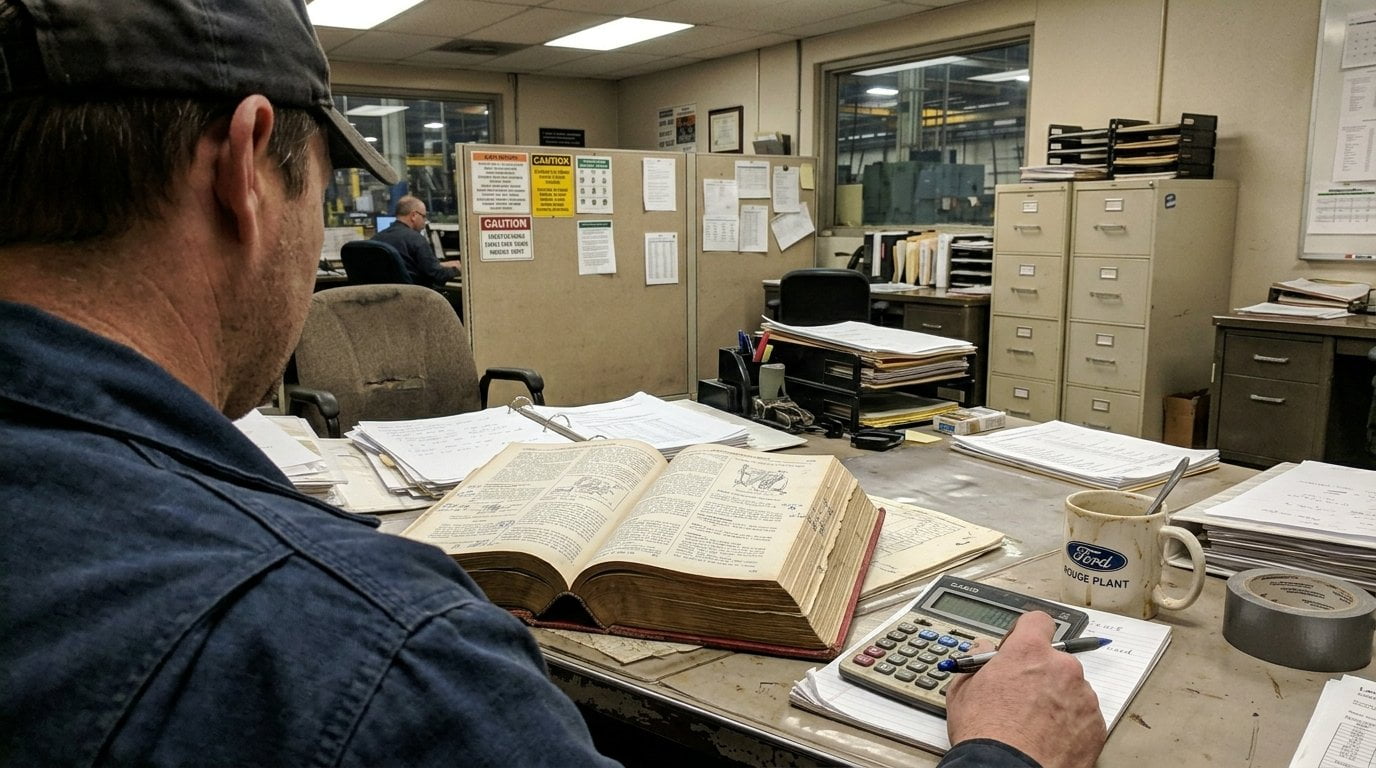
An ASTM standard on paper is worthless if the pipe in your hands doesn't actually meet it. The proof is in the paperwork. I tell my clients that the Material Test Certificate (MTC) is the pipe's birth certificate. It is the single most important document for ensuring quality and traceability.
The Unbreakable Link: Heat Number and MTC
Every batch of steel is melted in a "heat" and assigned a unique heat number. This number is stamped on the pipe itself. The MTC is a document from the mill that details the chemical analysis and mechanical properties of that specific heat. Your job as a buyer is to confirm that the heat number on the pipe matches the heat number on the MTC. This is your only guarantee of traceability. Without it, you have no proof of compliance.
Essential Certification Checklist
- MTC/MTR: Ensure it’s EN 10204 3.1, which means it's validated by the manufacturer's authorized inspection representative, independent of the production department.
- ISO 9001: Confirms the manufacturer has a quality management system.
- Project-Specific Certs: Check for PED (for Europe), ASME (for boilers/pressure vessels), or DNV (for marine) if your project requires them.
Don't be afraid to ask for third-party inspection from firms like SGS or BV. A reliable supplier will welcome it as proof of their quality.
How Can Wrong ASTM Standard Selection Lead to Delays, Rejection, and Higher Project Costs?
Think a small spec error is no big deal? A single mistake can derail your entire project schedule and budget. Learn how these errors lead to expensive consequences.
Choosing the wrong standard can lead to receiving materials that fail on-site inspection, forcing costly rework or reordering. It can cause premature failure due to corrosion or pressure issues, leading to downtime and liability claims. The cost is never just the price difference; it's the project's integrity.
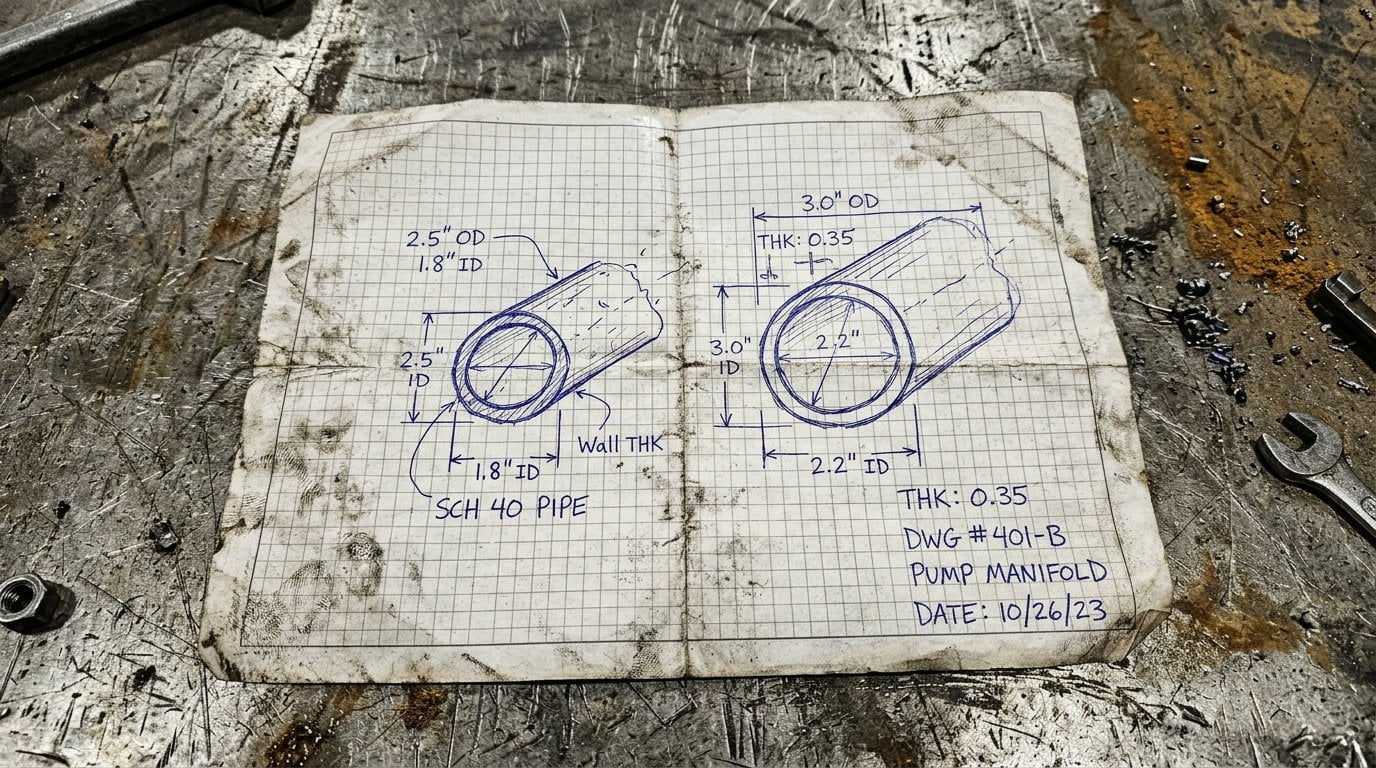
I've seen it happen too many times. A procurement manager tries to save a few dollars by choosing a slightly different spec, or they just copy-paste from an old PO without checking. The consequences are always far more expensive than the initial savings. The cost of getting it wrong is never just about the material itself. It's a chain reaction of problems that can jeopardize the entire project.
The Real Cost of a Bad Spec
| The Mistake | The Immediate Cost | The Long-Term Cost |
|---|---|---|
| Wrong Material Grade (e.g., 304 instead of 316L) | Rejected at QC inspection. | Rapid corrosion, system failure, safety hazards. |
| Wrong Dimension (e.g., Tube OD instead of Pipe NPS) | Parts don't fit, welding is impossible. | Project delays, liquidated damages, reordering fees. |
| Missing Supplementary Tests | Material fails under specific stress. | Unexpected failure, downtime, warranty claims. |
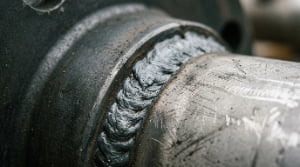
For example, specifying a seamless pipe but accepting a welded one might seem minor. But if the application involves high pressure or cyclical stress, that weld seam could become the point of failure. The resulting downtime and potential safety incident will cost hundreds of times more than the initial price difference. Don't fall into that trap. The correct specification is your first line of defense.
Conclusion
Mastering key ASTM standards, verifying certifications, and defining service conditions are not just about compliance. They are about ensuring your project's safety, budget, and timeline from the very start.