High-pressure systems constantly risk failure, and a small leak can lead to catastrophic downtime1. Choosing the right material is critical for long-term safety and operational reliability.
Stainless steel2 is the top choice for high-pressure use because of its superior strength, corrosion resistance3, and long-term stability. This mix prevents common failures like micro-cracks4 and weld decay5, ensuring system integrity and safety over the entire lifecycle, making it the most dependable option.
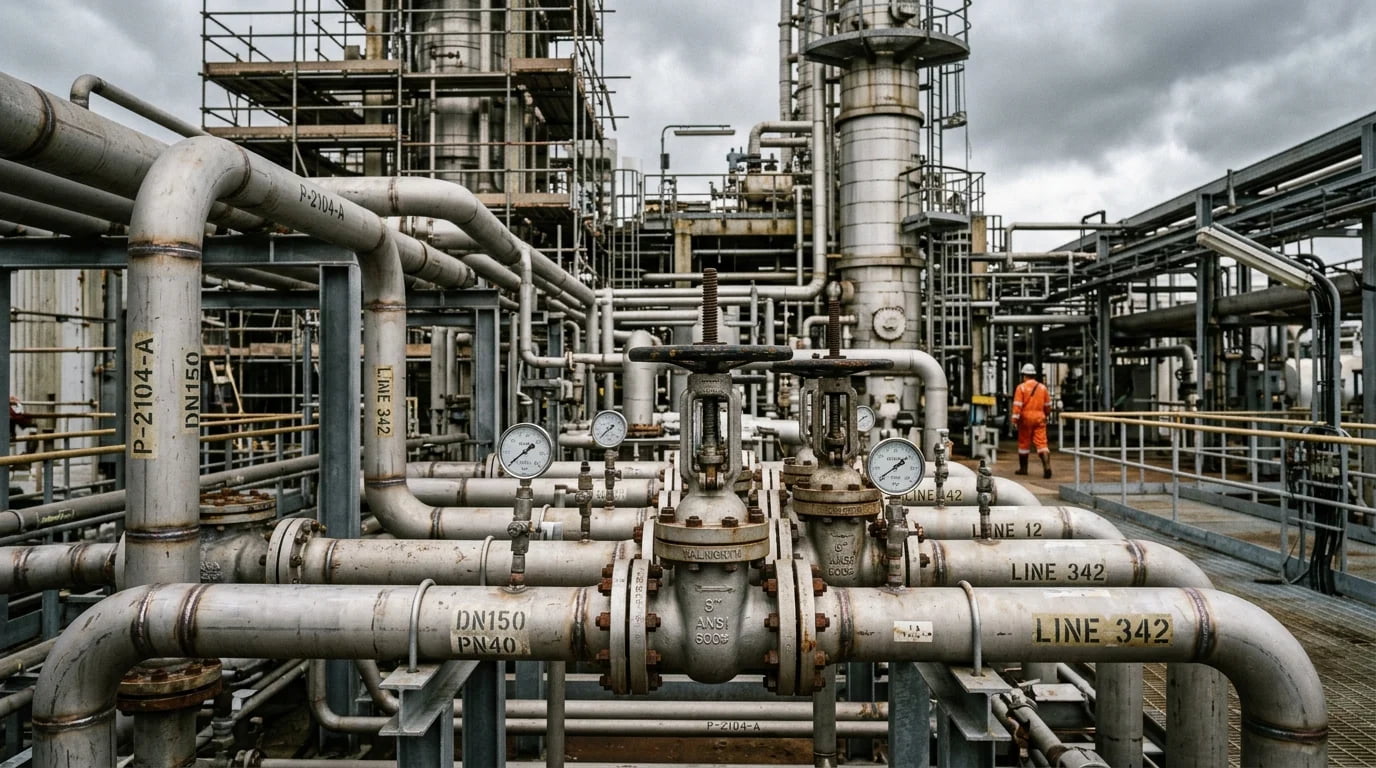
I've been in this business for over two decades, and I can tell you that selecting the right material goes far beyond a simple name on a spec sheet. The real story of reliability is written in the manufacturing process, where tiny details make a massive difference in performance under extreme stress. It's not just about picking 'stainless steel'; it's about understanding what makes a particular pipe truly safe for high-pressure service. Let's dig into the factors that really matter when you're selecting pipes for these critical applications.
What makes stainless steel so resilient against high-pressure failures?
High pressure constantly tests your system's weakest points, where a tiny flaw can grow into a major safety hazard. Stainless steel2's inherent properties provide a powerful and reliable defense.
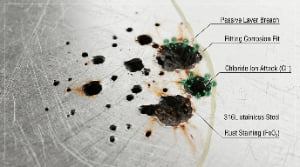
Stainless steel2’s strength comes from its chromium-rich alloy6, creating a passive layer7 that fights corrosion. This prevents common high-pressure failures like pitting8 and stress cracking. Its stable structure maintains integrity under constant stress, stopping the micro-cracks4 that lead to catastrophic failure.
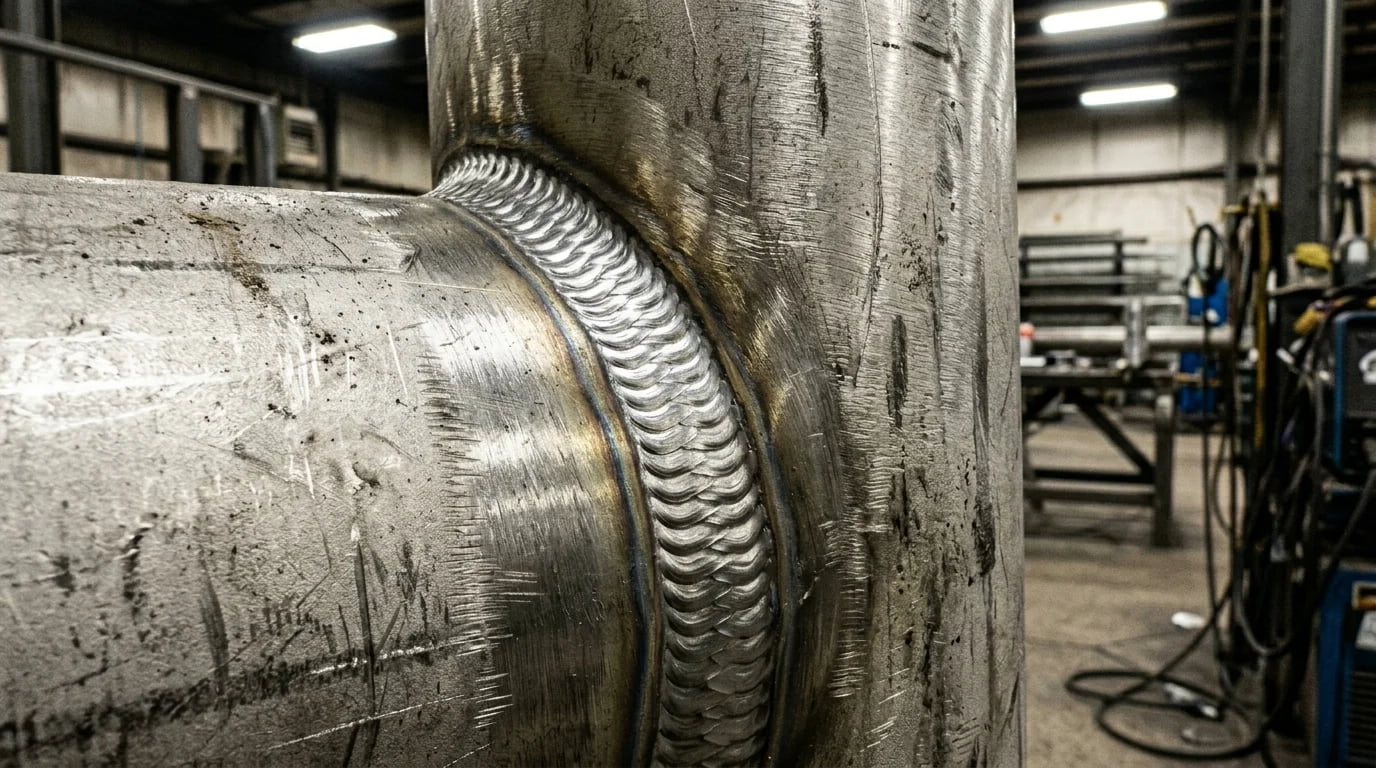
When my clients talk about high-pressure applications, their biggest fear isn't a single, massive explosion. The real nightmare is the slow, silent accumulation of problems: micro-cracks4, pitting8, stress corrosion, and weld failures. These issues add up over time and eventually lead to system shutdowns, dangerous leaks, and costly claims. This is where stainless steel truly shines, but its resilience is more complex than just its base strength.
Beyond Simple Strength
Of course, stainless steel has excellent tensile and yield strength. But in a dynamic high-pressure environment, that's only part of the story. The key is its toughness and ductility9. These properties allow the material to absorb pressure spikes and vibrations without fracturing. A brittle material might crack under a sudden surge, but a ductile stainless steel pipe can flex on a microscopic level, distributing the stress safely. This prevents a tiny flaw from propagating into a full-blown failure, which is essential for long-term operational safety.
The Invisible Shield Against Corrosion
The magic of stainless steel is its passive layer7, a microscopic film of chromium oxide that forms instantly when exposed to oxygen. This layer is self-healing and incredibly resistant to chemical attack. It’s what stops corrosive agents from eating away at the pipe.
| Failure Mode | Common Cause in Carbon Steel | How Stainless Steel Resists |
|---|---|---|
| Pitting Corrosion | Chloride exposure | The self-healing chromium oxide layer prevents localized attacks. |
| Stress Corrosion Cracking | Tensile stress + corrosive fluid | Duplex grades offer superior resistance to SCC in harsh environments. |
| Micro-crack Propagation | Material fatigue from pressure cycles | High ductility and toughness absorb energy, stopping cracks from growing. |
Is a material grade enough to guarantee high-pressure safety?
You specified a 316L pipe for your project, but you still worry about its performance under pressure. Two pipes with the same grade can behave very differently, with one failing prematurely.
No, the material grade is just the starting point. True high-pressure safety depends on manufacturing quality: traceable raw materials, proper heat treatment like solution annealing10, and strict control over dimensional tolerances11 and weld integrity. These factors determine the final product's consistency and reliability.
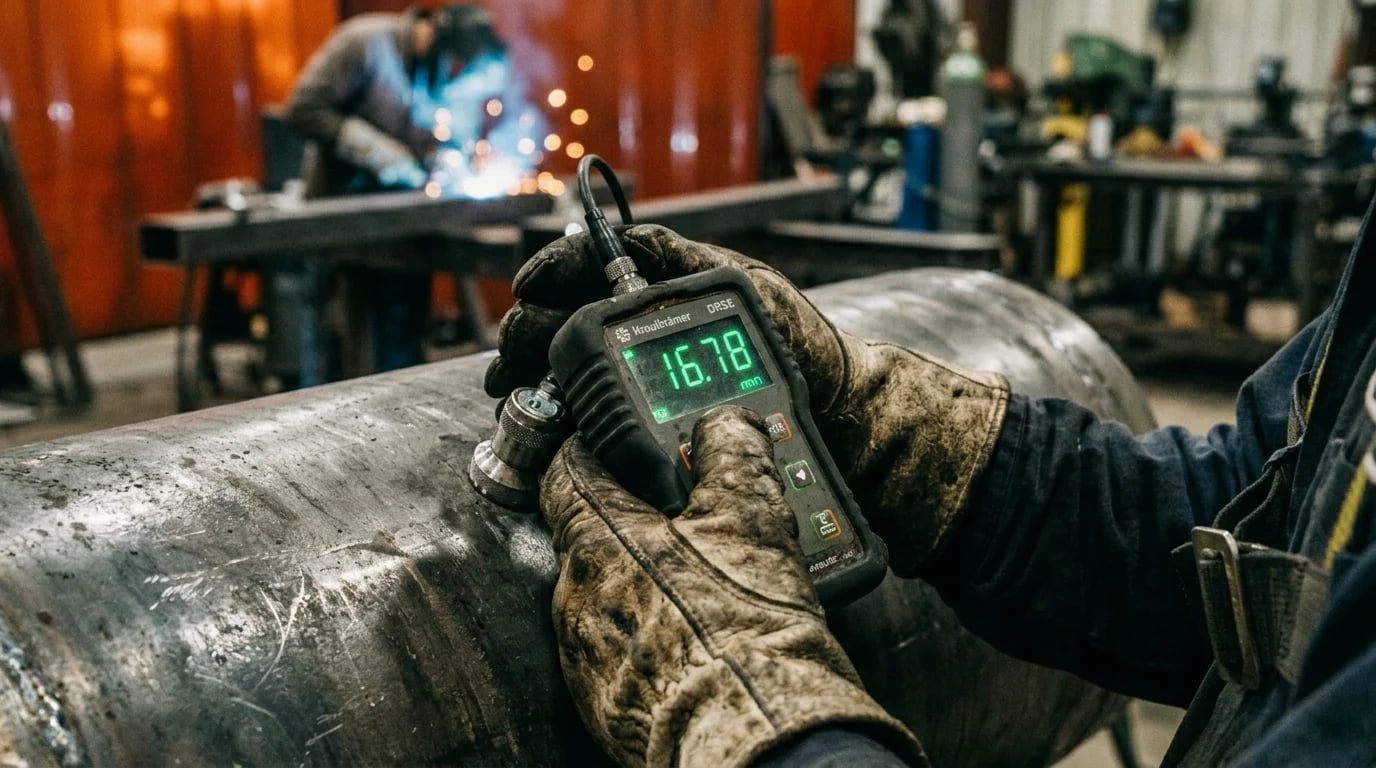
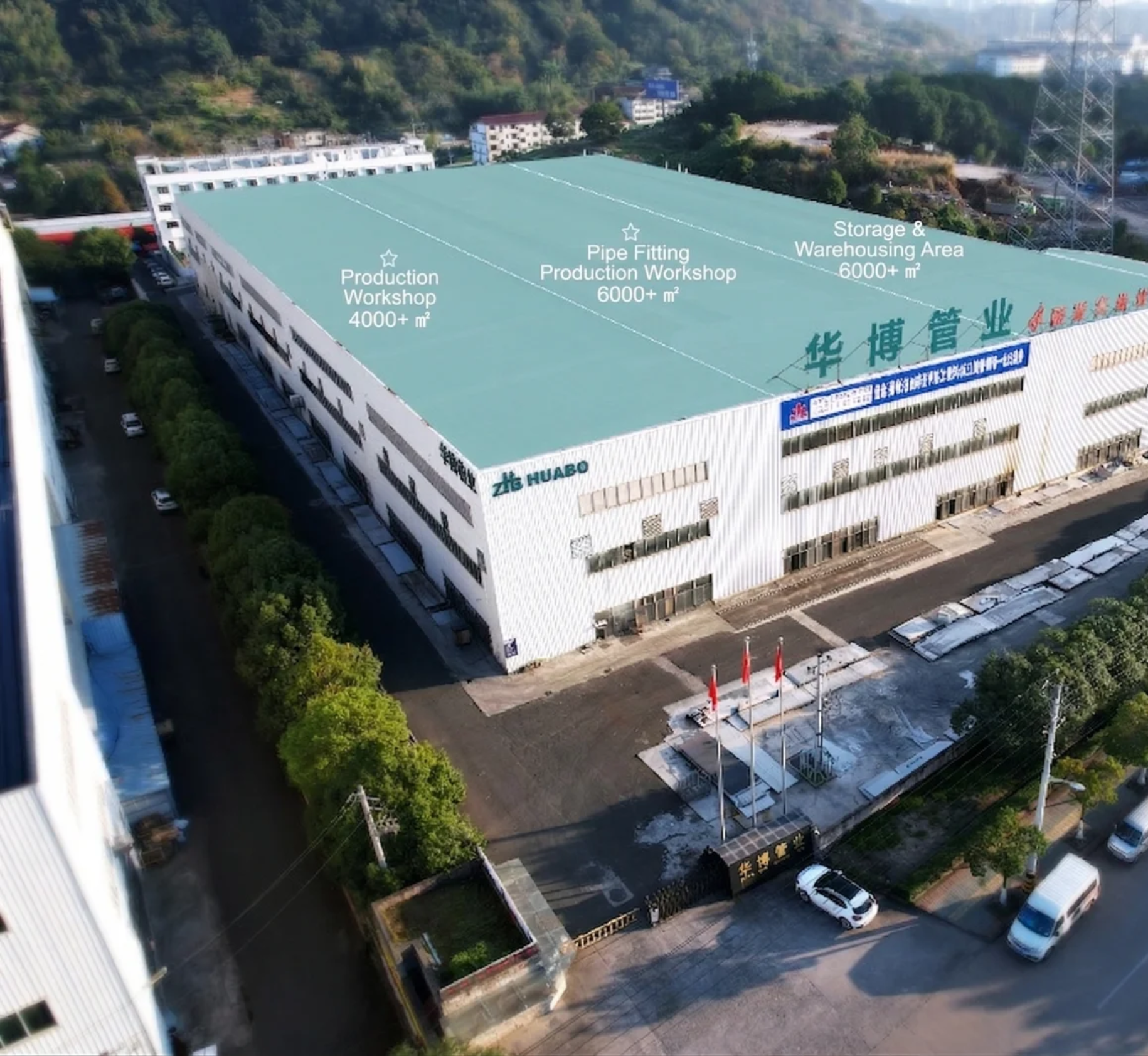
From my experience running a 20-acre stainless steel pipe and fittings factory in Lishui, I know that the grade designation is only the beginning of the conversation. The real factors that determine a pipe's lifespan under high pressure are hidden in the manufacturing details. We’ve learned that refusing to take industrial shortcuts is the only way to build a real safety advantage. It’s about achieving consistent, reliable performance at a microscopic level, which simply cannot be replicated by cutting corners. What truly matters is how that grade is brought to life.
The Source Matters: Raw Material Traceability
Everything starts with the raw material. We insist on using only primary refined materials with strict traceability. This means we know the exact origin and composition of every batch. Using cheaper, recycled materials introduces unknown impurities that can create weak spots in the final product—a risk we are not willing to take. For us, full traceability from the initial melt to the finished pipe is non-negotiable. It's the first and most critical step in building a pipe you can trust under extreme pressure.
The Hidden Strength: Heat Treatment and Tolerances
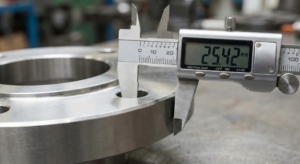
Proper heat treatment, or solution annealing10, is another critical step. This process dissolves harmful carbides and creates a uniform, highly corrosion-resistant internal structure. Rushing this step saves time and money, but it results in a weaker, less reliable pipe. We ensure every pipe gets the full, correct heat treatment cycle. Similarly, we maintain tight control over dimensional and wall thickness tolerances. A pipe that is technically "within tolerance" but consistently on the thin side is a hidden liability. We aim for micron-level precision to ensure every single pipe delivers consistent and predictable pressure resistance.
How can you ensure you're buying certainty, not just a pipe?
Sourcing pipes for a critical project can feel like a gamble. A low price today could lead to expensive failures, project delays, and a damaged reputation tomorrow.
To ensure certainty, demand comprehensive documentation: genuine material test reports (MTRs)12, ISO/ASME/PED certifications13, and full batch traceability. Partner with a manufacturer who welcomes third-party inspections14 (SGS, TUV). This transparency proves you are buying a product with verifiable quality.
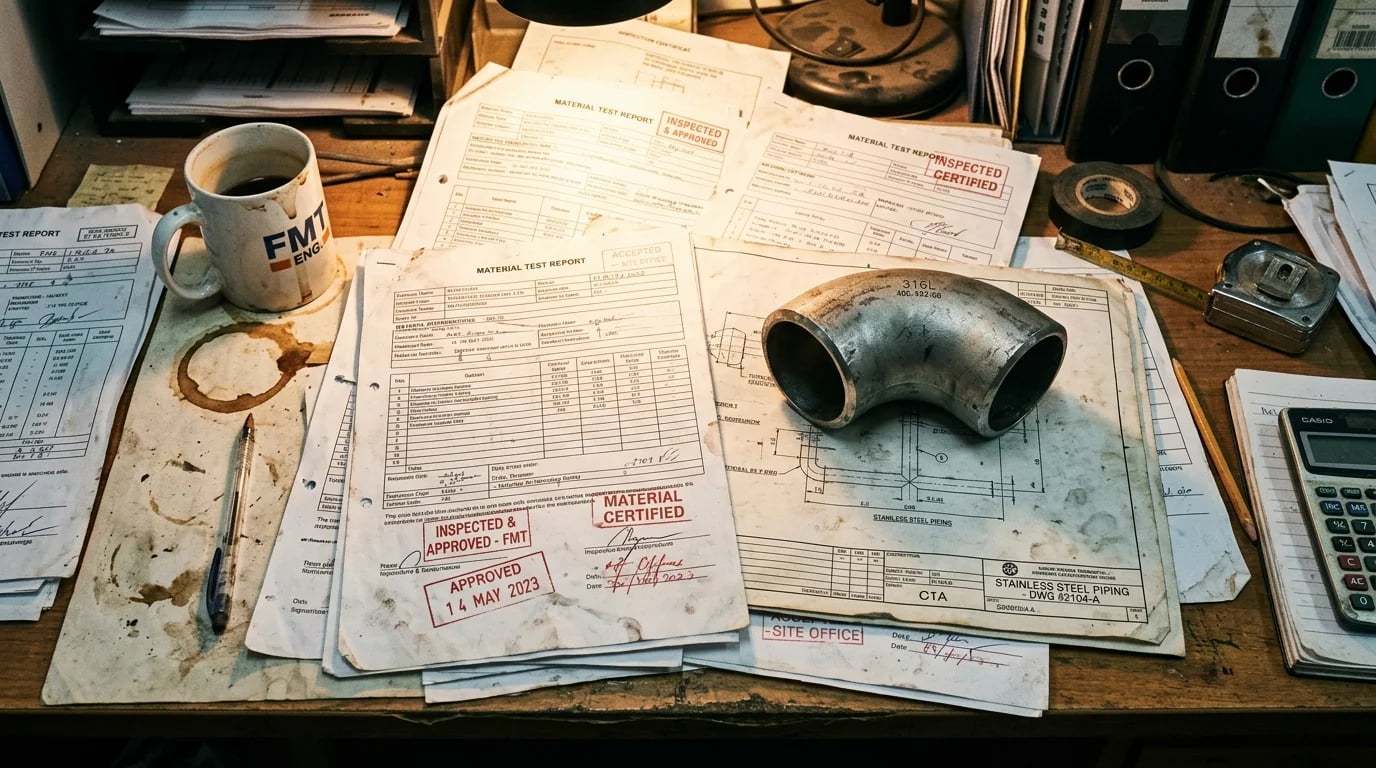
My international B2B clients, especially engineering and project procurement managers, aren't just buying steel. They are buying certainty. They need certainty that the material is genuine, the certificates are real, the batch quality is stable, the welds are sound, and the delivery is on time. A cheaper material might secure the initial order, but in the demanding world of high-pressure systems15, the products that survive and succeed are always the ones with the lowest total life-cycle cost and the lowest risk.
The Value of a Paper Trail
As a procurement manager, your professional credibility is on the line with every component you source. I understand that completely. That's why we provide a complete documentation package with every order. This isn't just paperwork; it's your assurance that the material is exactly what we claim it is. Authentic certifications and traceable material test reports are your proof of quality and your defense against component failure. It’s about giving you the confidence to sign off on the project.
Total Cost of Ownership vs. Initial Price
The cheapest pipe can quickly become the most expensive one once you factor in inspection, risk, and potential failure. My most successful clients look beyond the initial quote and evaluate the total cost of ownership16.
| Factor | Low-Price Supplier | Reliable Supplier (like HuaboPipe) |
|---|---|---|
| Initial Cost | Low | Moderate |
| Inspection Cost | High (due to extra verification needed) | Low (transparent process, trusted certs) |
| Risk of Failure | High (unknown materials, inconsistent manufacturing) | Very Low (controlled processes, full traceability) |
| Lifecycle Cost | Potentially Very High (downtime, replacement) | Predictable and Lower (long-term reliability) |
They know that partnering with a reliable manufacturer reduces procurement risk, ensures smooth project execution, and minimizes future maintenance and replacement costs. They're buying peace of mind.
Conclusion
In high-pressure applications, stainless steel offers unmatched safety. But true reliability comes from a manufacturing partner committed to quality, transparency, and delivering certainty, not just a product.
Preventing catastrophic downtime is crucial for maintaining operational efficiency and avoiding costly disruptions. ↩
Stainless steel's properties make it ideal for high-pressure environments, ensuring safety and longevity. ↩
Corrosion resistance is vital for preventing material degradation and ensuring the longevity of high-pressure systems. ↩
Understanding micro-cracks helps in selecting materials that prevent these failures, ensuring system integrity. ↩
Preventing weld decay is essential for maintaining the structural integrity of pipes in high-pressure systems. ↩
Chromium-rich alloys provide strength and corrosion resistance, crucial for high-pressure applications. ↩
The passive layer in stainless steel offers protection against corrosion, enhancing durability and reliability. ↩
Pitting can lead to localized failures in pipes, so understanding it helps in choosing resistant materials. ↩
Toughness and ductility allow materials to withstand pressure spikes, preventing fractures and failures. ↩
Solution annealing enhances material properties, ensuring reliability and performance under stress. ↩
Maintaining dimensional tolerances ensures consistent performance and prevents hidden liabilities in pipes. ↩
MTRs provide proof of material quality, essential for ensuring safety and compliance in high-pressure systems. ↩
These certifications ensure that products meet international standards, guaranteeing quality and safety. ↩
Third-party inspections provide unbiased verification of product quality, ensuring reliability and trust. ↩
Understanding high-pressure systems helps in recognizing the importance of material choice to prevent failures and ensure safety. ↩
Understanding total cost of ownership helps in evaluating long-term costs and benefits, beyond initial price. ↩