Struggling with costly pipe failures and project shutdowns in oil and gas? Stainless steel provides a robust, long-term solution, preventing leaks and ensuring your project stays on track.
The 12 main advantages of stainless steel pipes in oil and gas center on three key benefits: superior corrosion resistance1, a much longer service life, and significantly lower risk of production shutdowns. This translates to better safety, reduced maintenance, and a lower total cost of ownership over the project's lifetime.
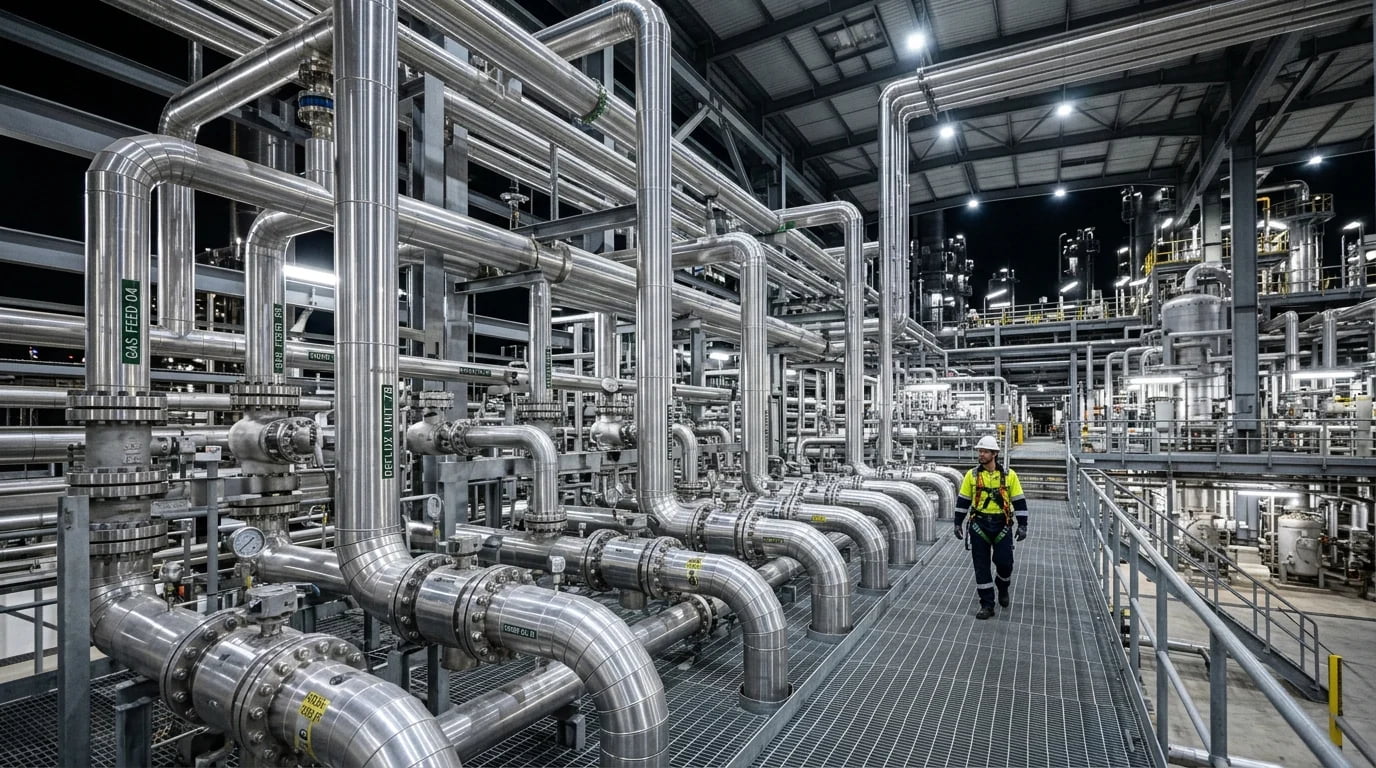
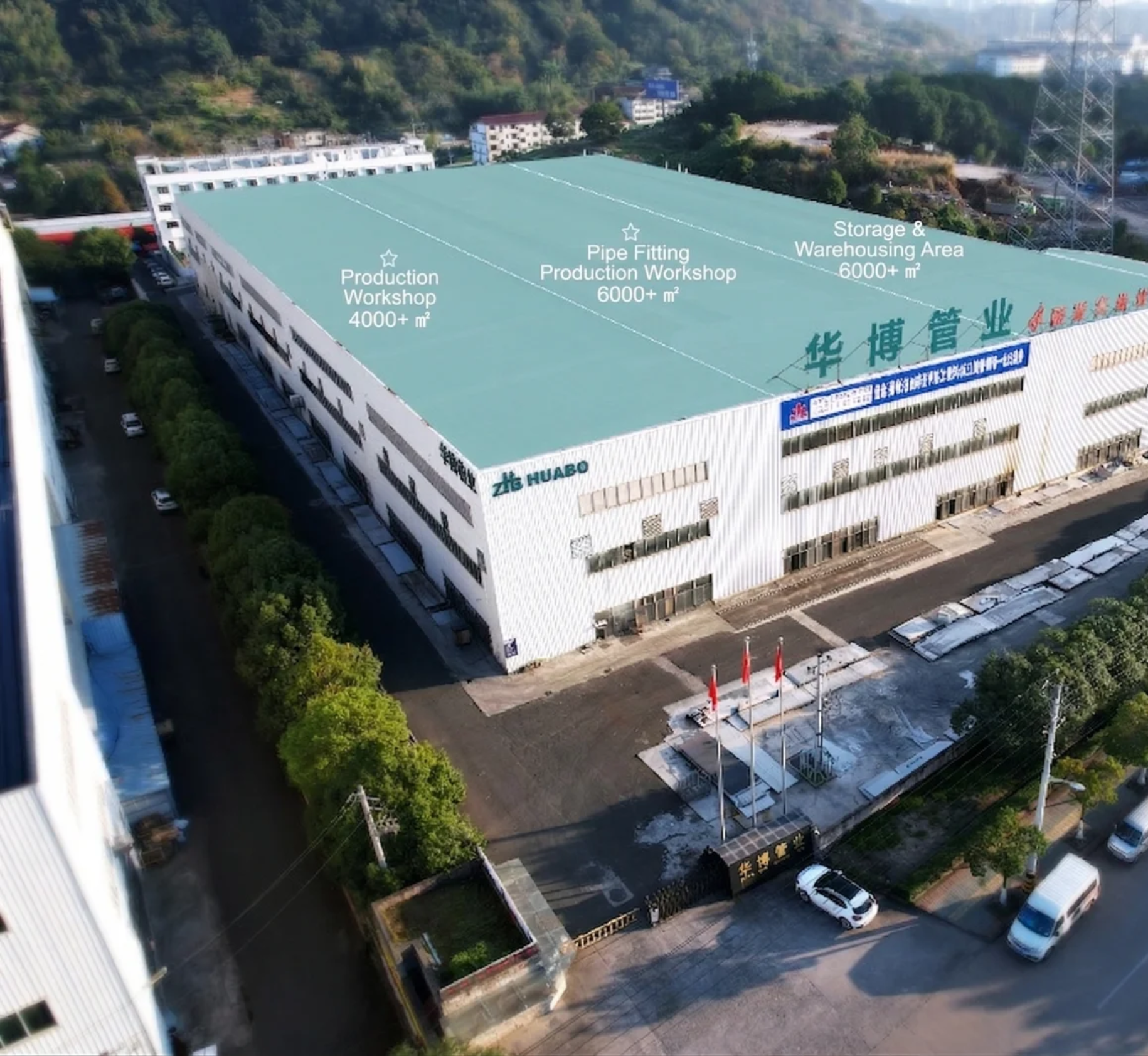
I've been running my stainless steel pipe and fittings factory here in Lishui for over 20 years. When I work on an oil and gas project, the first things I look at are the details: the fluid inside the pipe, the chloride content, the levels of H2S and CO2, and any temperature or pressure changes. These factors decide everything. The choice of pipe material is more than just a line on a budget; it's the foundation for the entire project's success and safety. Let's dig into why stainless steel is often the smartest choice, not just an expensive one.
Why is Superior Corrosion Resistance the Most Critical Advantage?
Worried about sour gas or high-chloride environments destroying your pipelines? This aggressive corrosion causes dangerous leaks and expensive shutdowns. Stainless steel is engineered to withstand these harsh conditions effectively.
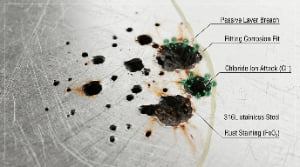
Its corrosion resistance1 is critical because it directly prevents leaks and failures in harsh environments. The chromium in stainless steel creates a passive, self-healing layer that protects against corrosive media like H2S, CO2, and chlorides, ensuring the integrity and safety of the entire system.
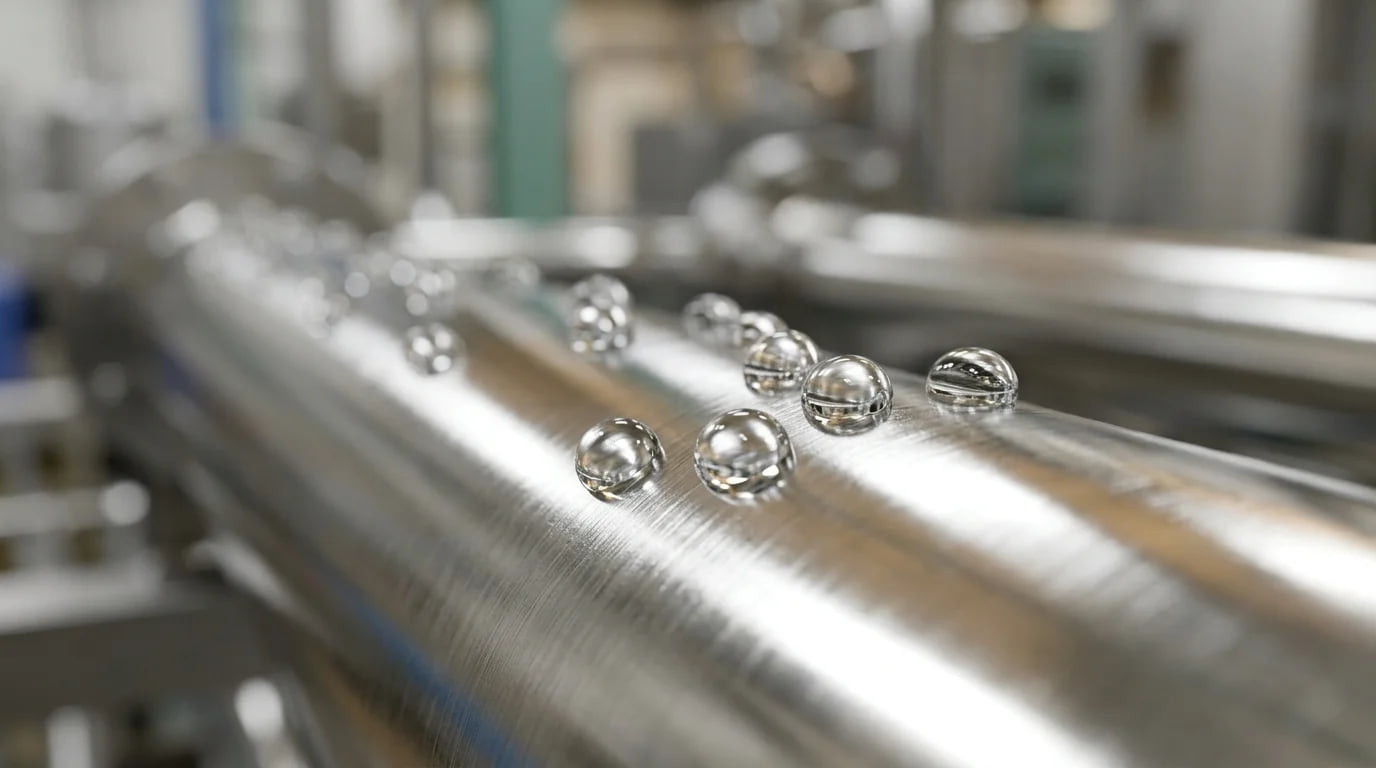
When people talk about stainless steel, its resistance to rust is the first thing that comes to mind. But in the oil and gas industry, we are dealing with much more than just water. We face aggressive chemicals that can eat through lesser materials in months, not years. This is where the real value of stainless steel shows up.
The Science of Passivation
The magic of stainless steel comes from its chromium content. When exposed to oxygen, the chromium forms a very thin, invisible, and tough layer on the surface. This is called the "passive layer2." If this layer gets scratched or damaged, it instantly repairs itself as long as oxygen is present. This self-healing ability is what provides continuous protection against corrosion. For oil and gas applications, especially offshore platforms3 or systems handling sour gas, this feature is not a luxury; it is a necessity for preventing catastrophic leaks and environmental damage.
Matching the Grade to the Medium
Not all stainless steel is the same. The key is to select the right grade for the specific job. I always tell my clients that buying stainless steel without knowing the grade is like buying a car without knowing the engine size. It might look right, but it won't perform correctly. For example, 316L is great for general corrosion resistance1, but when you have high chloride levels and H2S, you need to step up to duplex or super duplex stainless steels4. These advanced materials offer much higher strength and incredible resistance to pitting and stress corrosion cracking. Choosing the right grade is the first step in building a reliable system.
| Environment | Carbon Steel Performance | Stainless Steel (Appropriate Grade) Performance |
|---|---|---|
| Sour Gas (H2S) | Rapidly corrodes, high risk of failure | Excellent resistance (Duplex/Super Duplex) |
| Seawater | Requires coatings, high maintenance | High resistance (316L or Duplex) |
| High-Chloride Water | Prone to pitting and crevice corrosion | Excellent resistance, minimal maintenance |
| High Purity Systems | Risk of contamination from corrosion | Inert surface, maintains fluid purity |
How Does Stainless Steel Actually Lower the Total Cost of a Project?
Is the upfront cost of pipes driving your decisions? Cheaper materials often lead to frequent maintenance, replacement costs, and crippling downtime. Stainless steel's long lifespan delivers a lower total cost.
Stainless steel lowers total costs by drastically reducing maintenance, replacement, and shutdown expenses over the project's lifetime. While its initial price may be higher than carbon steel, its superior longevity and reliability mean you spend far less on repairs, labor, and lost production in the long run.
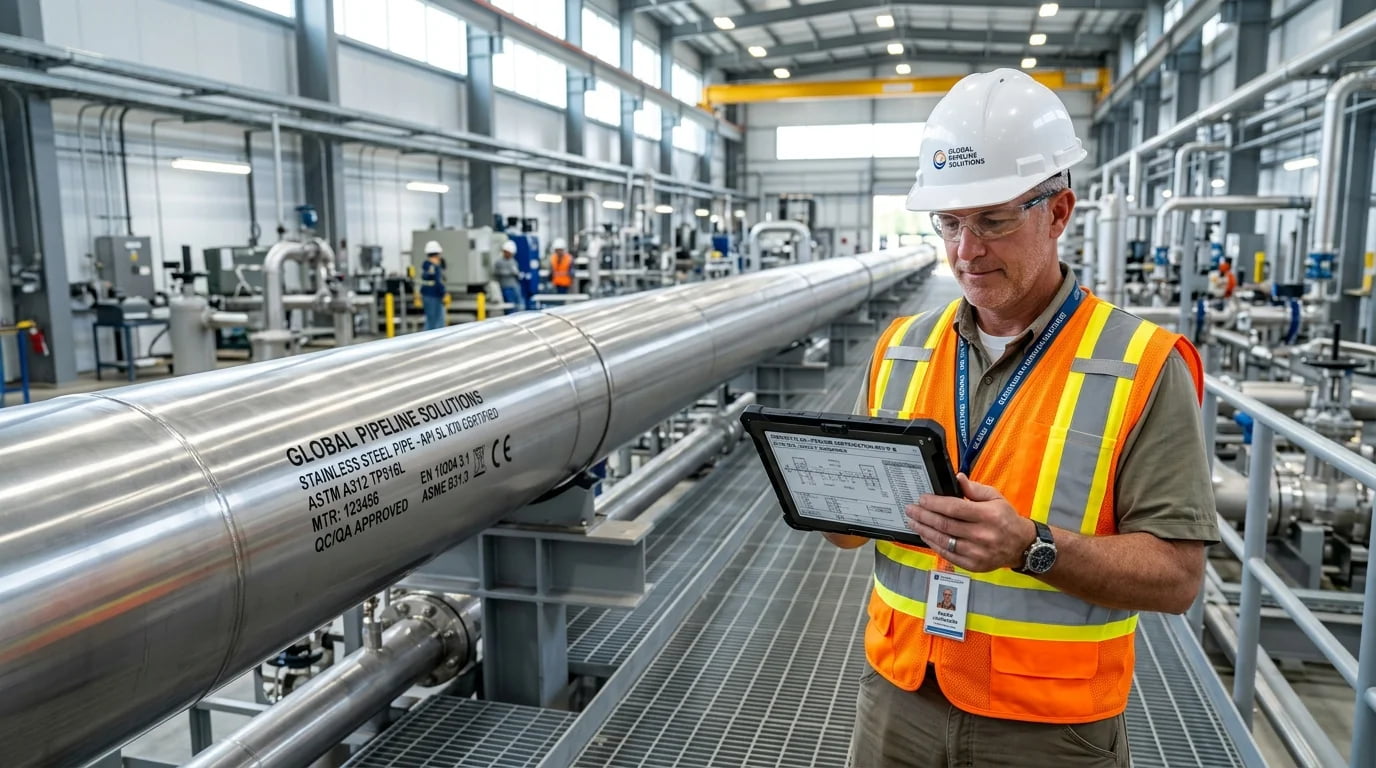
Many procurement managers look at the initial price per meter and see carbon steel as the cheaper option. I understand the pressure to keep initial costs down. However, in high-risk environments, that initial saving can become a huge expense later on. The true cost of a pipeline is not what you pay for it today; it's what you pay for it over its entire life.
Calculating the Real Cost
The concept we use is Total Cost of Ownership (TCO)5. This includes the initial purchase price, but also installation, maintenance, inspection, repairs, and the cost of eventual replacement. For a carbon steel pipe in a corrosive service, you might need to factor in expensive coatings, frequent inspections, and a full replacement in 5-10 years. A stainless steel pipe might last 30 years or more with minimal maintenance. I had a client who chose carbon steel for a water injection system to save money. Within three years, they called me to replace the entire network because of leaks. The cost of the new pipes, the labor, and the lost production was five times what they initially "saved."
Beyond Material: The Price of Downtime
The biggest hidden cost is downtime. In the oil and gas industry, a single day of shutdown can cost millions of dollars in lost revenue. A leak doesn't just mean repairing a pipe; it means stopping production. Because stainless steel is so much more reliable, it dramatically reduces the risk of these unplanned shutdowns. When you look at it this way, stainless steel is not a high-cost material. It is an insurance policy against failure and downtime. It provides certainty.
| Cost Factor | Carbon Steel | Stainless Steel |
|---|---|---|
| Initial Purchase | Low | High |
| Installation | Moderate (may need coating) | Moderate |
| Maintenance | High (inspections, repairs) | Very Low |
| Replacement Cycle | 5-15 years | 30+ years |
| Risk of Downtime | High | Low |
| Total 20-Year Cost | Very High | Moderate |
What Makes Stainless Steel a Safer and More Compliant Choice for Global Projects?
Struggling with strict compliance for global oil and gas projects? A failed inspection can stop everything, costing you time and reputation. Certified stainless steel ensures you meet international standards easily.
Stainless steel is safer due to its high strength, pressure resistance6, and predictable performance, reducing the risk of catastrophic failures. Reputable manufacturers provide full traceability7 and certifications (ASME, PED, DNV), making it a compliant choice that simplifies project approval and export processes worldwide.
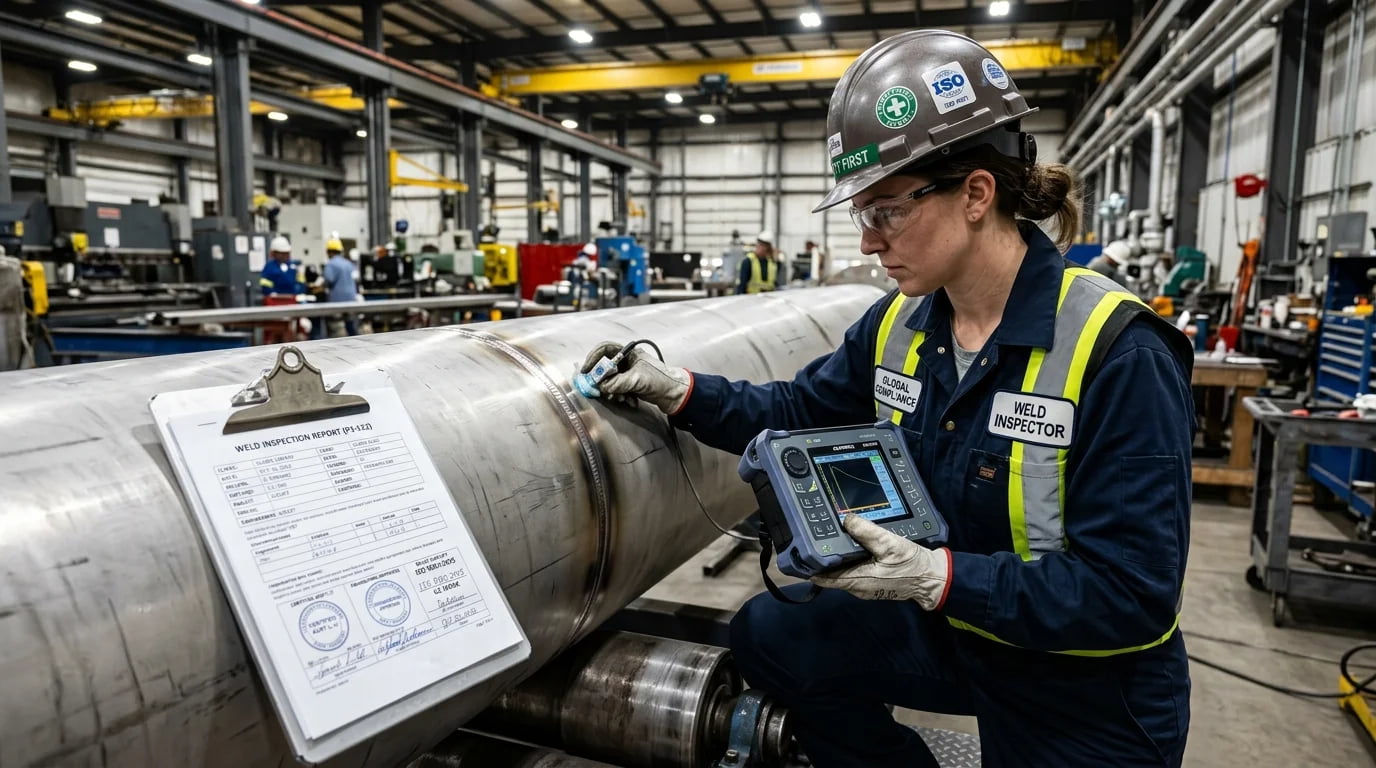
When you are building a project that will operate for decades under high pressure, safety is everything. And for international projects, proving that safety through documentation is just as important. This is another area where high-quality stainless steel shines. The material itself is inherently strong and ductile, meaning it can handle pressure and temperature swings without becoming brittle. But the real value for a project manager comes from the paperwork.
The Importance of Traceability
From my factory in Lishui, every single pipe we produce has a complete history. We can trace it all the way back to the specific batch of raw material it was made from. We have records of the chemical analysis, the mechanical tests, the heat treatment process, the pressure tests, and the final dimensional checks. This is what we call full traceability7. When a third-party inspector from a company like SGS, BV, or TUV comes to my facility, we can show them the entire story of that pipe. This traceability7 is not just for our records; it is your proof that the product is exactly what it claims to be. It is the foundation of a safe and reliable system.
Navigating Global Certifications
Oil and gas projects are global. A pipe made in China might be installed on a platform in the North Sea or a refinery in the Middle East. Each region has its own rules. A good manufacturer understands this and provides the right certifications. This is what your project needs to move forward without delays. It's not just about buying a pipe; it's about buying a product that is pre-approved for your market, with all the necessary testing and documentation to back it up. This makes exporting, customs clearance, and final project approval much, much smoother.
| Certification | What It Guarantees for Your Project |
|---|---|
| ISO 9001 | A consistent quality management system during manufacturing. |
| ASME | The product meets standards for pressure vessels and piping in North America. |
| PED (Pressure Equipment Directive) | The product is compliant for use in the European Union. |
| DNV | The product meets the strict requirements for offshore and maritime applications. |
Why Does the Manufacturing Process Matter More Than the Material's Name?
Think all stainless steel pipes are the same? Some manufacturers cut corners, creating hidden defects8 that can fail catastrophically. A controlled process guarantees a reliable, safe, and consistent product.
The manufacturing process defines the pipe's actual performance. Proper heat treatment (solution annealing9), pickling, and precise dimensional control10 are what create true corrosion resistance1 and mechanical strength. Without these steps, even the best raw material can result in a weak and unreliable pipe.
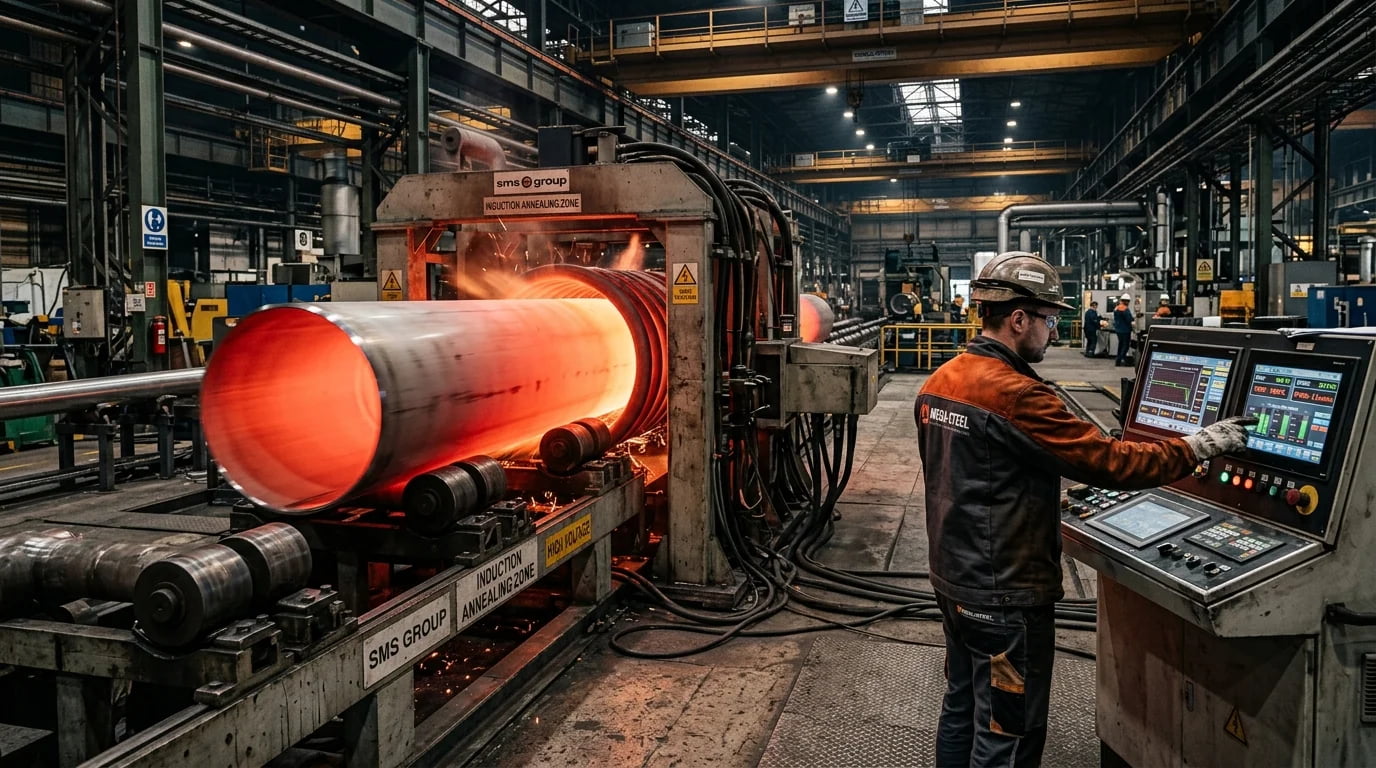
I've spent my life in this business, and I can tell you that the name "stainless steel" means very little on its own. The real advantage comes from how the pipe is made. I have seen competitors take shortcuts to lower their prices, and the results are always the same: inconsistent quality and unreliable performance. A pipe is not just a piece of metal; it is an engineered component where every step of the process matters.
The HuaboPipe Difference: No Shortcuts
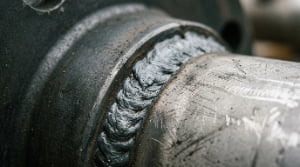
In my factory, we refuse to take industrial shortcuts. We start with fully traceable, high-quality raw materials. Then, we control every step. For example, after a pipe is formed or welded, its internal structure is stressed. We perform a crucial step called "solution annealing9," where we heat the pipe to a specific temperature for a sufficient amount of time and then cool it rapidly. This process relieves the stress and restores the material's full corrosion resistance1. Some factories shorten this heating time to save energy, but that creates a weaker pipe. We also perform acid pickling and passivation11 to remove any surface contaminants from the manufacturing process and fully form that protective passive layer2. These are not optional steps; they are essential for creating a truly reliable product.
From Raw Material to Final Inspection
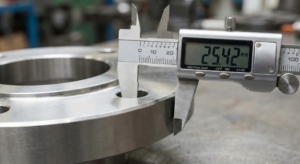
Our focus is on creating a source safety barrier. This means we build quality and reliability into the pipe from the very beginning. We have a dual-control system that checks both the material properties and the physical dimensions at every critical stage. This ensures that every pipe in a batch is stable, that it will weld consistently with other components on-site, and that it can reliably handle the pressure it was designed for. This is how we build a product that you can trust for the most critical applications. The real value is in the millimeter-level precision and the process that guarantees it.
| Key Manufacturing Step | Impact on Pipe Quality and Safety |
|---|---|
| Traceable Raw Material | Guarantees correct chemical composition for predictable performance. |
| Full Solution Annealing | Restores maximum corrosion resistance1 and removes internal stress. |
| Acid Pickling & Passivation | Creates a clean, fully passive surface for long-term protection. |
| Dimensional & NDT Control | Ensures consistent wall thickness and detects hidden flaws. |
Conclusion
Ultimately, choosing quality stainless steel is not about high cost, but about securing the lowest total cost. You are buying lifecycle certainty: reliability, safety, and long-term project success.
Exploring corrosion resistance helps prevent leaks and failures, ensuring safety and longevity in oil and gas systems. ↩
Learning about the passive layer explains why stainless steel is self-healing and ideal for aggressive environments. ↩
Offshore platforms face harsh conditions, and stainless steel provides durability and resistance to corrosion. ↩
Duplex stainless steels offer enhanced strength and corrosion resistance, making them ideal for challenging oil and gas conditions. ↩
Understanding TCO helps evaluate long-term savings and reliability compared to cheaper materials. ↩
Pressure resistance ensures safety and reliability in high-pressure environments, reducing risks of failure. ↩
Traceability ensures quality and compliance, providing confidence in the reliability of the product for critical applications. ↩
Understanding hidden defects highlights the importance of quality manufacturing processes for reliable performance. ↩
Solution annealing restores corrosion resistance and mechanical strength, ensuring the pipe's reliability. ↩
Dimensional control ensures consistent quality and compatibility, reducing risks during installation and operation. ↩
These processes remove contaminants and enhance the passive layer, ensuring long-term corrosion resistance. ↩