Struggling to choose the right flange material? Making the wrong choice can lead to leaks and costly failures. I will show you how to select the right one.
The best flange material depends on your specific needs. Stainless steel is ideal for corrosive, wet, or high-purity systems. Carbon steel is a cost-effective choice for general-purpose applications like water, air, or oil where corrosion is not the primary concern. It is all about the application.
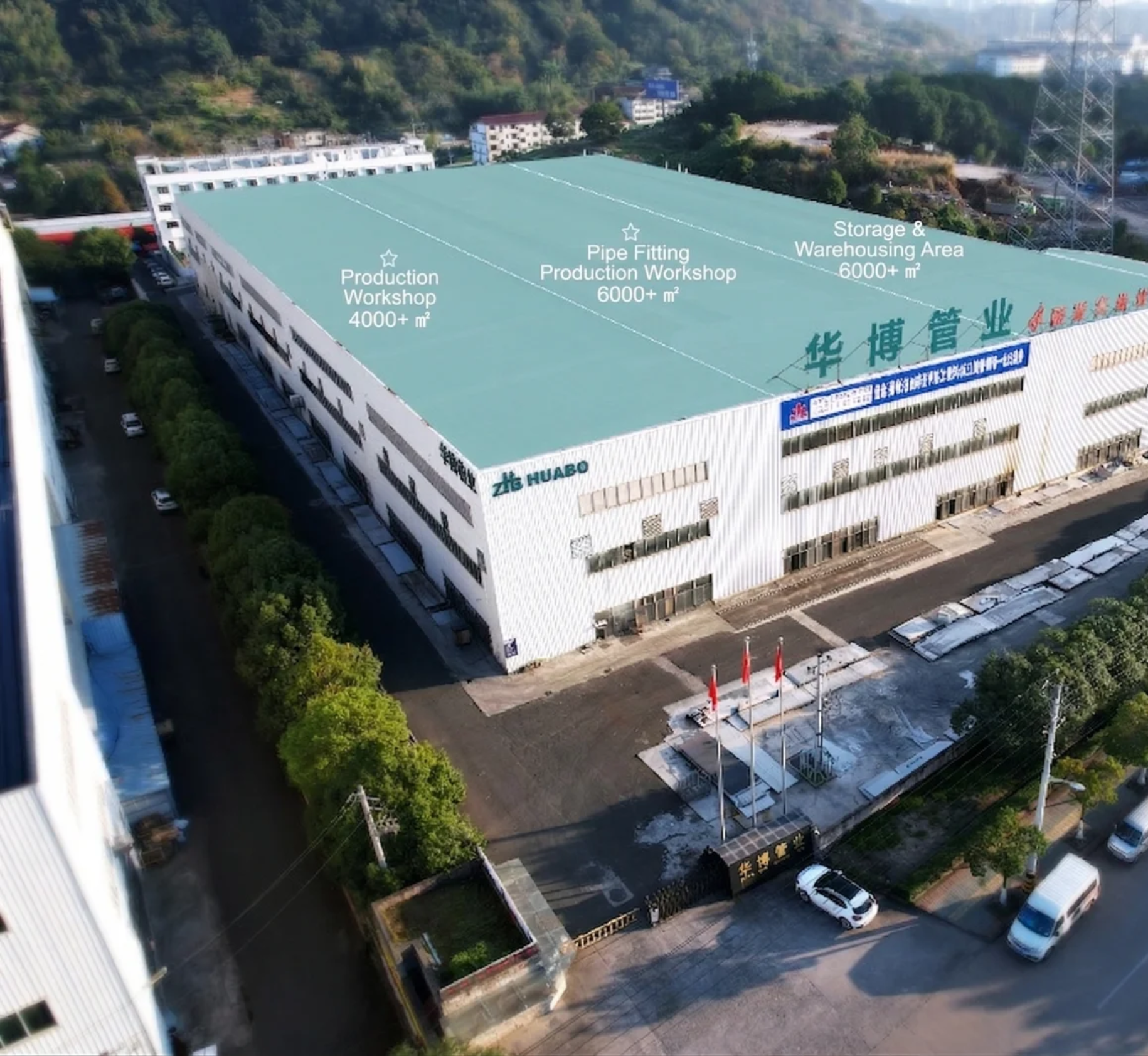
I've spent over 20 years manufacturing stainless steel fittings1 in my factory here in Lishui. I've seen firsthand what happens when people choose materials based on price alone. It almost never ends well. A small saving upfront can lead to massive costs down the line, not just for repairs, but for downtime and even legal claims. You need to think about the total cost over the life of the project. Let's break down how to make the right choice for your application so you can avoid these expensive mistakes.
Can you use stainless steel fittings1 on carbon steel pipe2?
Worried about mixing different metals in your piping system? This is a common concern that can lead to disaster if not handled correctly. I will explain the risks.
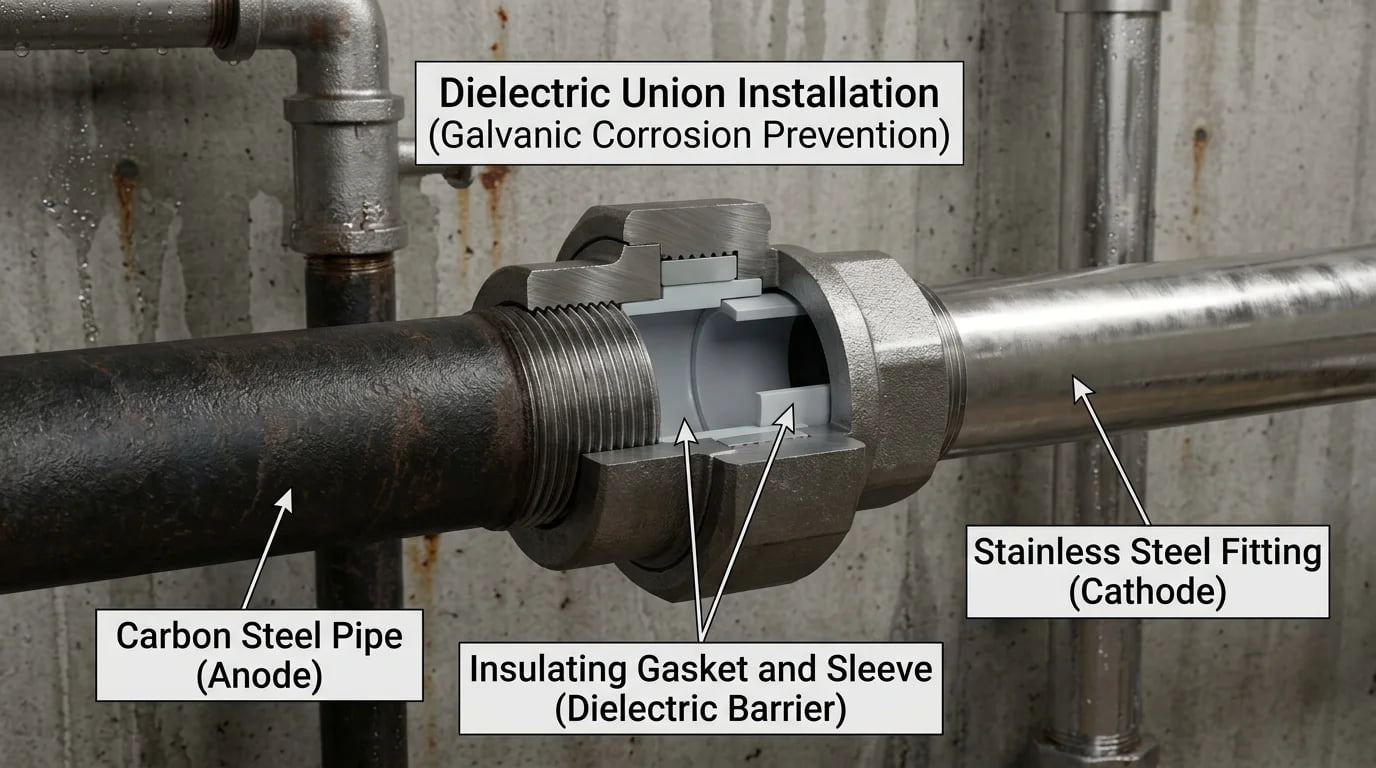
Yes, you can connect stainless steel fittings1 to carbon steel pipe2, but you must prevent direct metal-to-metal contact, especially in wet conditions. The best practice is to use a dielectric fitting or union to electrically isolate the two different metals and prevent galvanic corrosion3.
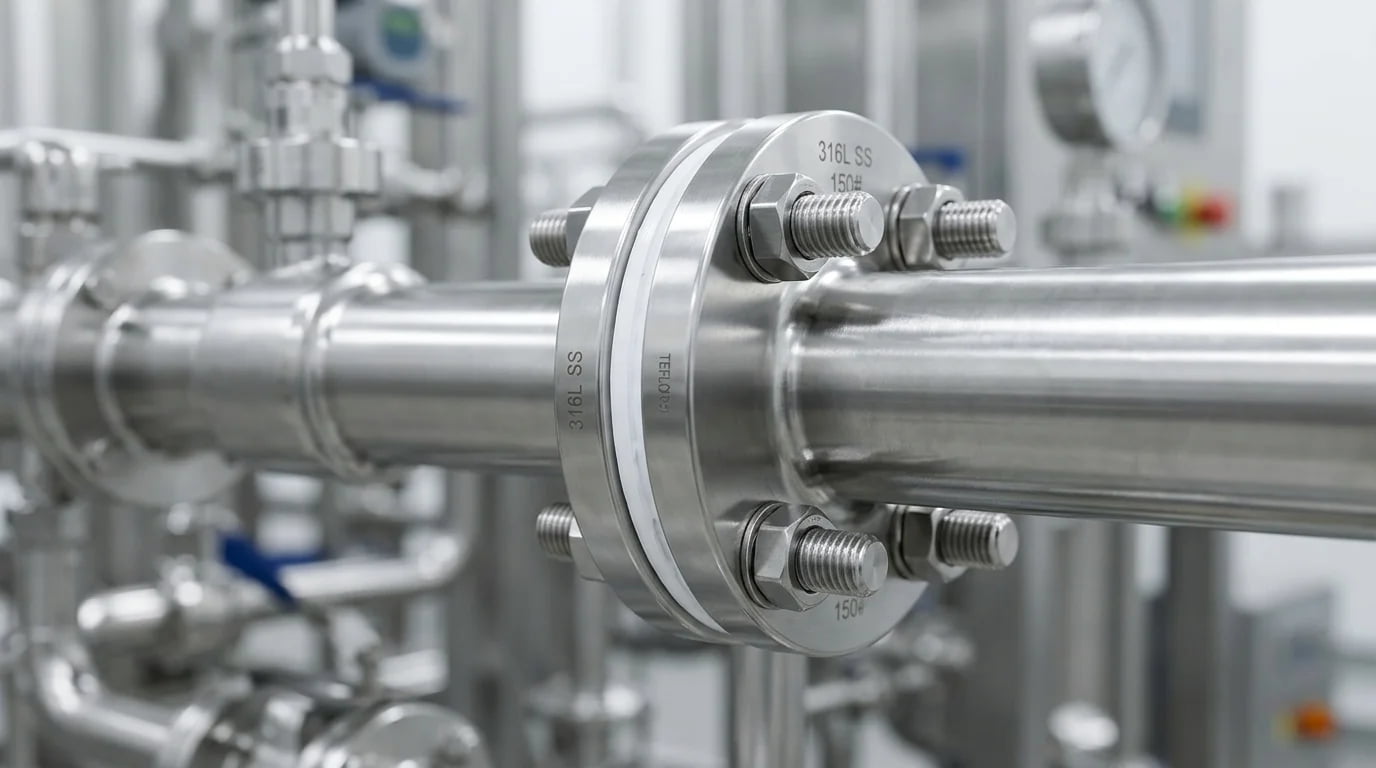
When you join two different metals like stainless steel and carbon steel, you create what is basically a battery, especially when an electrolyte like water is present. This is called galvanic corrosion3. One metal becomes the anode and corrodes very quickly, while the other becomes the cathode and is protected. In this pair, the less noble carbon steel will sacrifice itself to protect the more noble stainless steel. I have seen new carbon steel pipe2s spring leaks in months because they were directly connected to stainless steel parts in a damp environment. It's a costly and completely avoidable mistake.
The Key Factor: Moisture
The real trigger for galvanic corrosion3 is the presence of an electrolyte, which is usually just water.
- In a dry environment: If you have a piping system that is guaranteed to stay dry, like an indoor gas line in a climate-controlled building, mixing metals is less of a risk. The lack of an electrolyte means the "battery" can't turn on.
- In a wet or humid environment: For any system carrying water, chemicals, or even just exposed to humid air or condensation, you have a serious risk. The carbon steel pipe2 will begin to corrode at the connection point, thinning the wall until a leak or failure occurs.
How to Do It Right
The professional solution is to use a dielectric union4 or fitting. These fittings have a special plastic gasket and sleeve that create an insulating barrier between the two metals. This breaks the electrical circuit, stopping galvanic corrosion3 before it can start. They are a small additional cost that saves you from huge potential repair bills. From my perspective as a manufacturer, it’s a no-brainer. We engineer products to last, and that means accounting for real-world conditions. Ignoring the risk of galvanic corrosion3 is not responsible engineering.
Why use carbon steel instead of stainless steel?
Is stainless steel always the best choice for every job? Not if your budget is a major factor. Let me show you where carbon steel is the smarter choice.
The main reason to use carbon steel instead of stainless steel is its significantly lower cost. For many non-corrosive, general-purpose applications, carbon steel provides the required strength and performance at a fraction of the price, making it a more economical choice for large projects.
When you are managing a large project, material costs can make or break your budget. Carbon steel is often three to five times cheaper than stainless steel. This massive cost difference is the number one reason why it's still so widely used across many industries. But I want to be clear: carbon steel is not a "low-end" material. It is an excellent engineering material when used in the correct application. It's strong, durable, and reliable. The key is understanding its limitations, mainly its low resistance to corrosion. When the conditions are right, choosing carbon steel is not about being cheap; it's about being efficient with your project's resources.
Applications Where Carbon Steel is the Smart Choice
You should feel confident specifying carbon steel in these situations:
- Fire Protection Systems: This is an industry standard. Sprinkler pipes are typically filled with water only when activated, or are in dry-pipe systems, minimizing long-term corrosion risk. The cost savings are huge.
- HVAC and General Water Transport: For closed-loop heating and cooling systems or potable water lines where the water is treated and controlled, carbon steel is perfectly adequate.
- Oil & Gas: Many pipelines use carbon steel. The fluids are often non-corrosive, or corrosion inhibitors are used to protect the pipe from the inside.
- Structural Applications: Its strength and low cost make it the default material for building frames, equipment supports, and pipe racks.
The Total Cost Calculation
However, the upfront price isn't the whole story. Carbon steel will rust if exposed to the elements. This means you must factor in the cost of protection, such as painting, galvanizing, or other coatings. You also need to consider future maintenance and potential replacement. For a budget-sensitive project where you can control the environment and perform maintenance, carbon steel is a great option. But if the application has any risk of corrosion and you need a "fit and forget" solution, the long-term cost of stainless steel often ends up being lower.
What is the best material for flanges?
There is no single "best" flange material for every job. Picking the wrong one can lead to dangerous leaks, equipment damage, and expensive production shutdowns. I'll help you choose wisely.
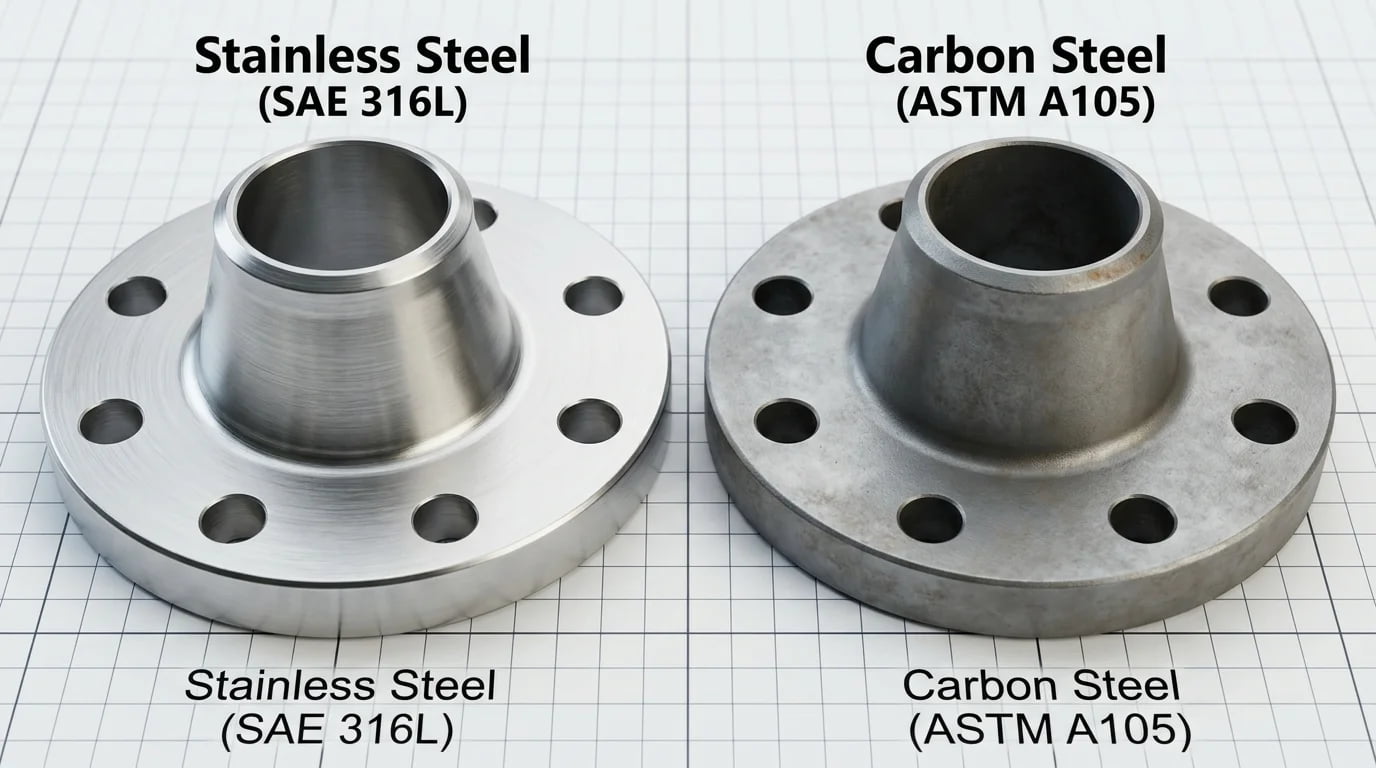
The "best" material is the one that perfectly matches your application's requirements. For corrosive media5, high purity, or extreme temperatures, stainless steel is superior. For general-purpose, low-pressure, and non-corrosive systems, carbon steel is the most cost-effective and common choice.
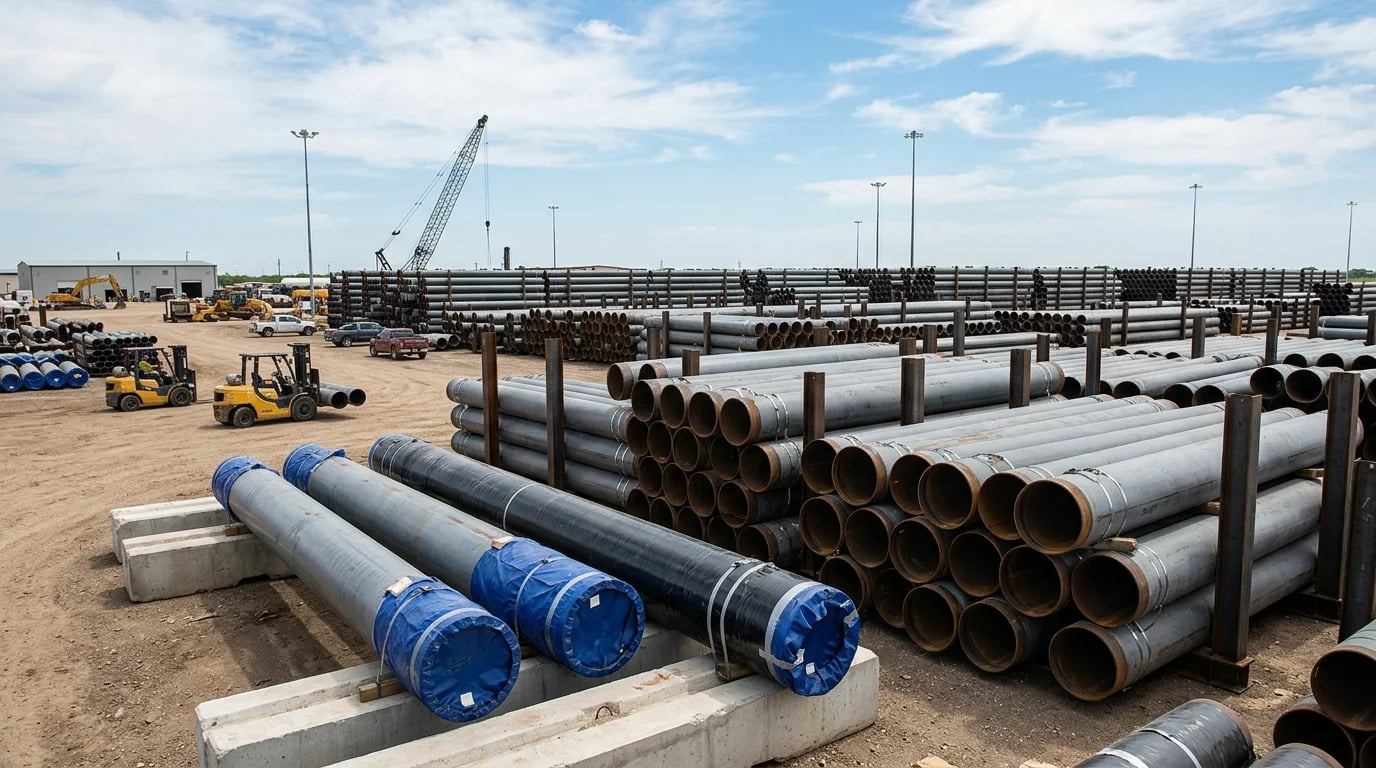
In my factory, I produce flanges from many different materials. I always tell my clients, "Don't ask me for the cheapest flange; ask me for the right flange." The conversation should never start with price. It should start with four critical questions: What medium is flowing through the pipe? What is the operating temperature? What is the pressure? And what is the expected service life of the system? Answering these questions will lead you directly to the correct material. A procurement manager who buys a standard carbon steel flange for a chemical processing line just to save a few dollars has created a massive liability. The best material is the one that ensures safety, reliability, and the lowest total cost of ownership over the project's lifetime.
Material Comparison for Flanges
Let's put the two most common options side-by-side to make the choice clearer.
| Factor | Stainless Steel (e.g., 304L, 316L) | Carbon Steel (e.g., A105) |
|---|---|---|
| Corrosion Resistance | Excellent, especially against chemicals & moisture | Poor; will rust without protection |
| Upfront Cost | Higher | Lower |
| Temperature Range | Excellent; handles very high & low temps | Good, but can become brittle at low temps |
| Purity/Contamination | Excellent for food, pharma, high-purity | Can introduce rust/scale into the medium |
| Best Applications | Chemical, Marine, Food & Beverage, Pharma | General Water, Oil & Gas, Fire Protection, HVAC |
| Lifecycle Cost | Lower in corrosive or critical environments | Lower in non-corrosive environments |
My Advice from the Factory Floor
Think about the long-term consequences. If a carbon steel flange fails in a water line, you have a leak to repair. If a carbon steel flange fails in a corrosive chemical line, you have a dangerous spill, a plant shutdown, and potential environmental and safety incidents. The initial cost difference between a stainless steel flange and a carbon steel flange is tiny compared to the cost of a failure in a critical application. Always match the material to the risk.
What is the enemy of stainless steel?
Many people think stainless steel is invincible, that it simply doesn't rust. This is a dangerous misunderstanding. Stainless steel can and does fail under certain conditions.
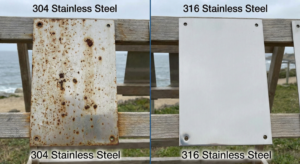
The biggest enemies of stainless steel are chlorides, such as salt. Chlorides attack and break down the protective passive layer on the steel's surface, leading to localized corrosion like pitting and crevice corrosion6. High temperatures and mechanical damage also make it more vulnerable.
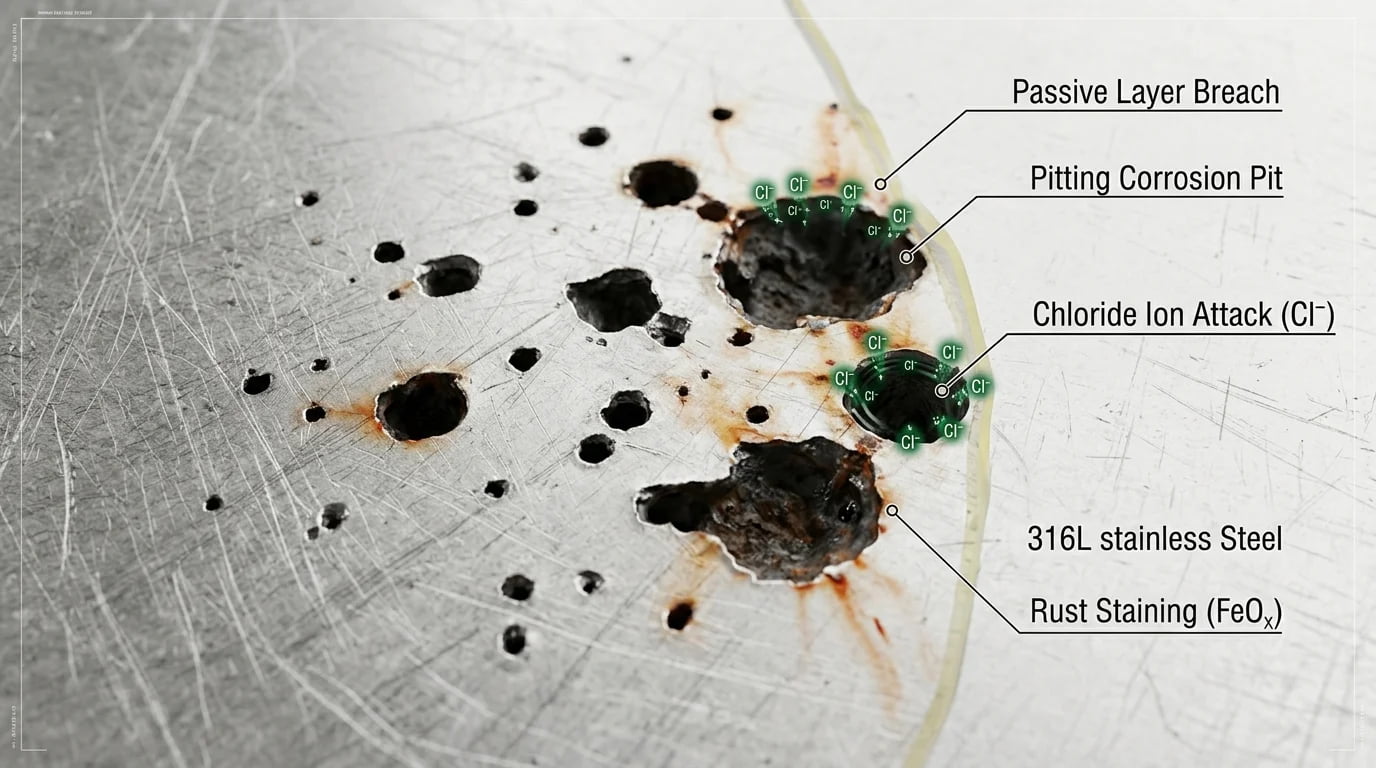
Stainless steel gets its "stainless" property from a very thin, invisible layer of chromium oxide on its surface. This "passive layer" forms instantly when the steel is exposed to oxygen, and it protects the iron in the steel from rusting. It can even heal itself if it gets scratched. However, certain things can attack and destroy this layer faster than it can reform. The number one enemy is the chloride ion, which you find in saltwater, de-icing salts, and many industrial chemicals and cleaners. Once the passive layer is broken, the underlying steel is exposed and can corrode rapidly in a very localized spot, creating a deep pit that can go right through the metal.
The Most Common Attackers
Beyond chlorides, you need to watch out for these conditions:
- Crevice Corrosion: This happens in tight spaces where oxygen is low, like under bolt heads or between flange faces. The stagnant conditions allow chlorides to concentrate, and the lack of oxygen prevents the passive layer from healing.
- Stress Corrosion Cracking (SCC): This is a dangerous form of failure that can happen when the steel is under tensile stress (being pulled apart) in a corrosive environment, especially at higher temperatures. The cracks can appear suddenly and without warning.
- Galvanic Corrosion: As we discussed earlier, connecting stainless steel to a less noble metal like carbon steel or aluminum in a wet environment will cause the other metal to corrode.
How Quality Manufacturing Provides Defense
This is why quality control in my factory is so critical. We don't just bend and weld metal; we are creating a defense system against these enemies.
- Material Traceability: We use only certified raw materials with the correct chemical composition. Using 316L with its added molybdenum is critical for chloride resistance.
- Proper Heat Treatment: Our solution annealing7 process ensures the chromium is properly distributed in the steel to form a strong passive layer.
- Correct Surface Finishing: Our acid pickling and passivation8 processes remove any contaminants from the manufacturing process and help form a thick, robust, and uniform passive layer.
This is the hidden value that B2B clients pay for. It’s not just a fitting; it’s the peace of mind that comes from knowing it was made correctly to resist its enemies and perform reliably for years.
Conclusion
Choosing between carbon and stainless steel is not about price. It's about matching the material to the application's media, temperature, pressure, and required life to ensure long-term, reliable performance.
Stainless steel fittings offer superior corrosion resistance and durability, making them ideal for high-purity and corrosive applications. ↩
Carbon steel pipes are cost-effective and strong, making them suitable for general-purpose applications like water, air, and oil transport. ↩
Understanding galvanic corrosion is crucial to avoid costly failures in piping systems, especially when mixing metals like stainless steel and carbon steel. ↩
A dielectric union is essential for preventing galvanic corrosion when connecting different metals in wet environments, ensuring system longevity. ↩
Choosing the right material for corrosive media ensures safety and reliability, preventing leaks and costly damages in industrial systems. ↩
Crevice corrosion occurs in tight spaces with low oxygen, leading to localized damage in stainless steel, especially in chloride-rich environments. ↩
Solution annealing ensures proper chromium distribution in stainless steel, enhancing its corrosion resistance and durability. ↩
These processes remove contaminants and enhance the protective layer on stainless steel, ensuring long-term resistance to corrosion. ↩