Choosing the right steel feels complicated. A bad choice costs you money or leads to failure. But understanding why 304 is the go-to grade makes the decision much easier.
Inox 304 is the most widely used stainless steel because it offers the best balance of corrosion resistance, price, and workability for the majority of applications. It's strong enough for many jobs, resists rust well, and doesn't break the bank, making it the perfect default choice.
I've been in the steel pipe business for over 20 years, and the question of which grade to use comes up almost every day. It's easy to get lost in technical charts and chemical compositions. But most of the time, the answer comes down to a few simple, practical questions. You need to know what you're up against and what you're willing to pay. This is where the real story of stainless steel unfolds, not just in a lab, but out in the real world of budgets and project deadlines. Let's break down the most common choices you'll face.
Inox 304 vs 316: Which one do you really need?
Deciding between 304 and 316 is a constant headache for project managers. Spending too much on 316 is wasteful, but choosing 304 for the wrong job is a disaster.
The key difference is molybdenum. Inox 316 contains molybdenum, which gives it superior resistance to chlorides and pitting corrosion. Use 316 for harsh environments like coastal areas; use 304 for everything else.
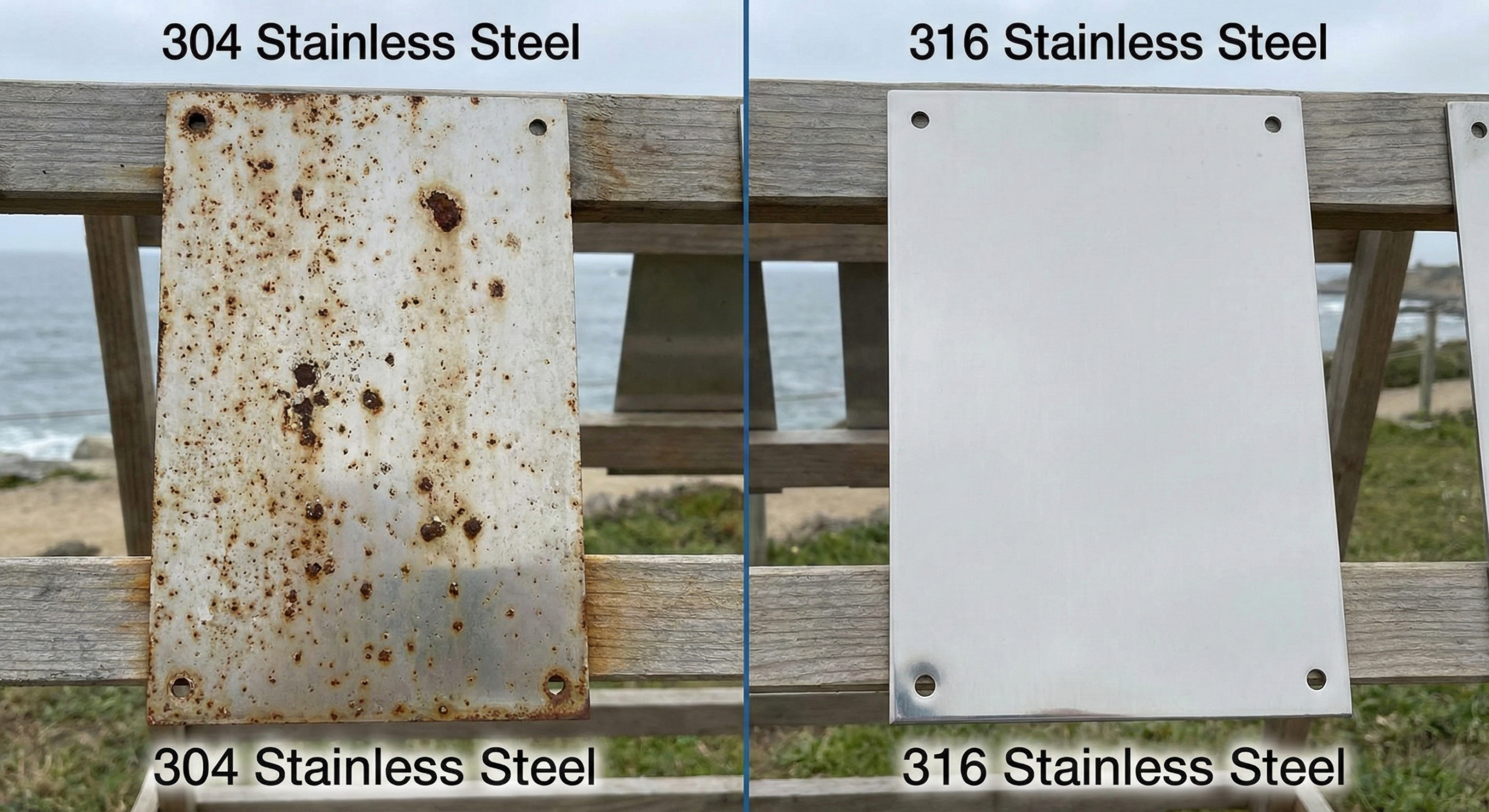
I remember a client working on a food processing plant. They were on a tight budget and wanted to use 304 for everything. Most of the facility was fine for 304, but one area used a brine solution for cleaning. I had to explain that the salt in that brine would eat away at 304 steel over time. We specified 316 for that specific circuit. It cost a little more upfront, but it saved them from a costly replacement and shutdown down the line. It's all about using the right tool for the job.
Key Differences Breakdown
The choice between 304 and 316 isn't just about good versus better; it's about fitness for a specific purpose.
| Feature | Inox 304 (1.4301) | Inox 316 (1.4401) |
|---|---|---|
| Molybdenum | No | Yes (2-3%) |
| Corrosion Resistance | Good for general use | Excellent, especially against chlorides |
| Cost | Lower | Higher (15-30% more) |
| Common Use | Kitchens, general piping, architecture | Marine, chemical, medical |
When to Pay for the Upgrade
The extra cost of 316 is an investment in longevity. You need it when your project will face specific corrosive agents. Think of saltwater, de-icing salts, or the aggressive chemicals used in industrial processing. The molybdenum in 316 actively fights off the pitting corrosion that chlorides cause, which is a weakness in 304. For everything else—from the pipes in a brewery to the handrails in an office building—304 is more than capable and much more cost-effective.
What about the cheaper Inox 201?
That low price tag on 201 stainless steel is tempting. But be careful, because choosing it for the wrong application can lead to rust and failure much sooner than you expect.
Inox 201 is cheaper because it replaces a large portion of its expensive nickel content with manganese and nitrogen. This trade-off significantly reduces its corrosion resistance compared to 304, making it unsuitable for outdoor or wet applications.
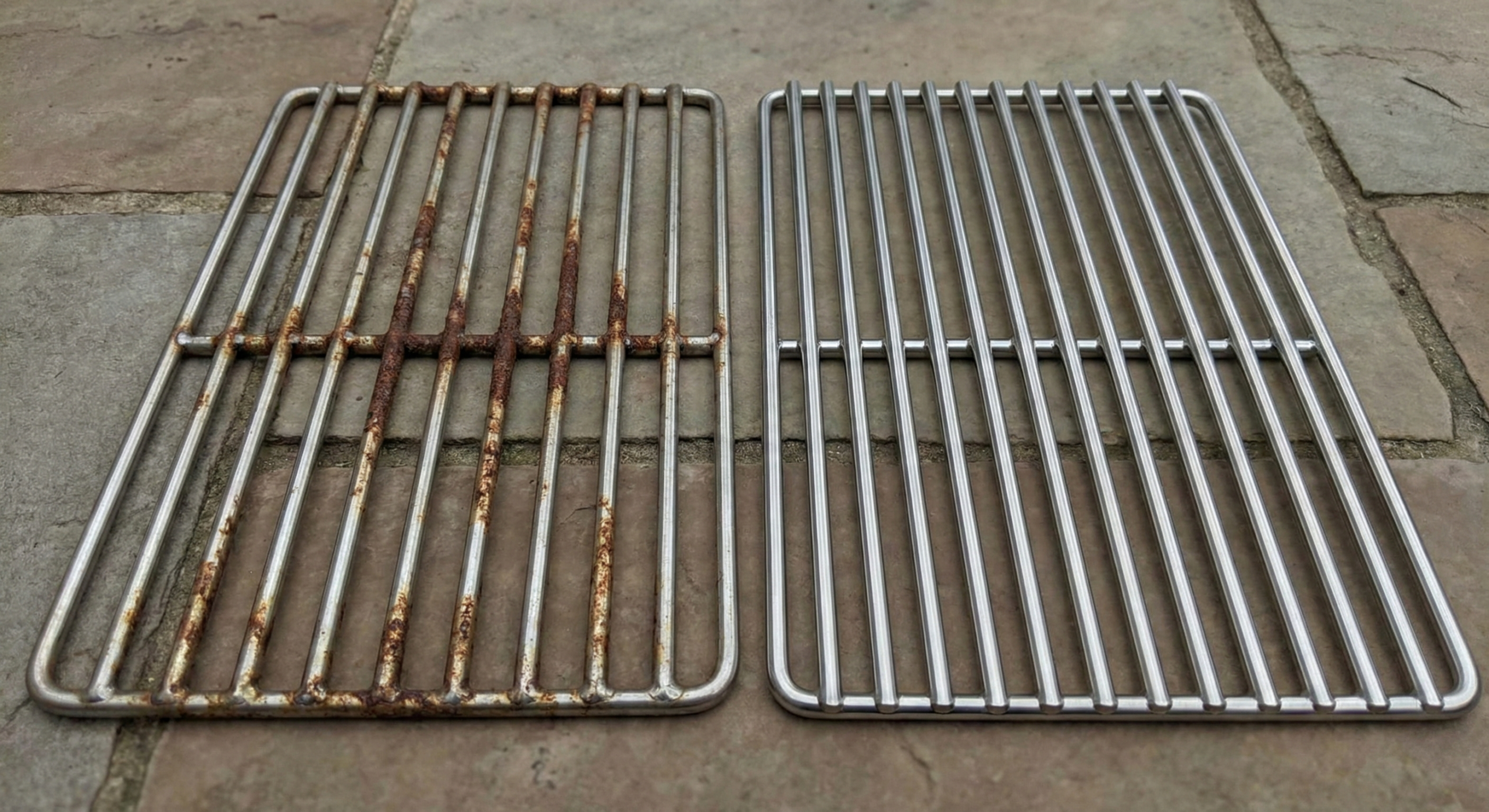
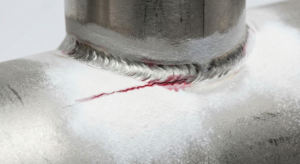
I've seen this happen firsthand with cheap kitchen sinks or outdoor grills. They look great for the first few months, but then you start seeing little brown spots of rust, especially around welds or in areas where water pools. That's usually 201 steel failing. It's a classic case of getting what you pay for. For any application where the steel will be regularly exposed to moisture, the savings from using 201 are quickly wiped out by the cost and hassle of having to replace it.
The Cost-Saving Trade-Off
The chemical makeup tells the whole story. Nickel is the magic ingredient that gives austenitic stainless steels like 304 their great corrosion resistance and formability. By cutting back on it, 201 loses its edge.
| Feature | Inox 304 | Inox 201 |
|---|---|---|
| Key Alloy | ~8% Nickel | ~4% Nickel, ~7% Manganese |
| Corrosion Resistance | Good | Poor to Fair |
| Cost | Standard | Lower (20-30% less) |
| Use Case | General purpose, wet/dry | Strictly indoor, dry environments |
Where 201 Makes Sense (and Where it Doesn't)
So, is 201 useless? Not at all. It has its place. For decorative indoor items, structural components in dry environments, or appliances where it won't see much moisture, it can be a smart way to save money. But the moment water, humidity, or outdoor air is part of the equation, you need to step up to 304. I always tell my clients: if it’s going to get wet, you have to forget about 201. The risk of premature failure is just too high.
What makes 304 stainless steel so versatile?
You need a material that can do almost anything without a fuss. Specialized materials are often expensive and hard to source. That’s why 304 stainless steel is the reliable workhorse.
304 stainless steel is incredibly versatile because of its fantastic combination of good corrosion resistance, excellent formability, and weldability. It can be easily bent, pressed, and cut into almost any shape, making it perfect for a huge range of products.
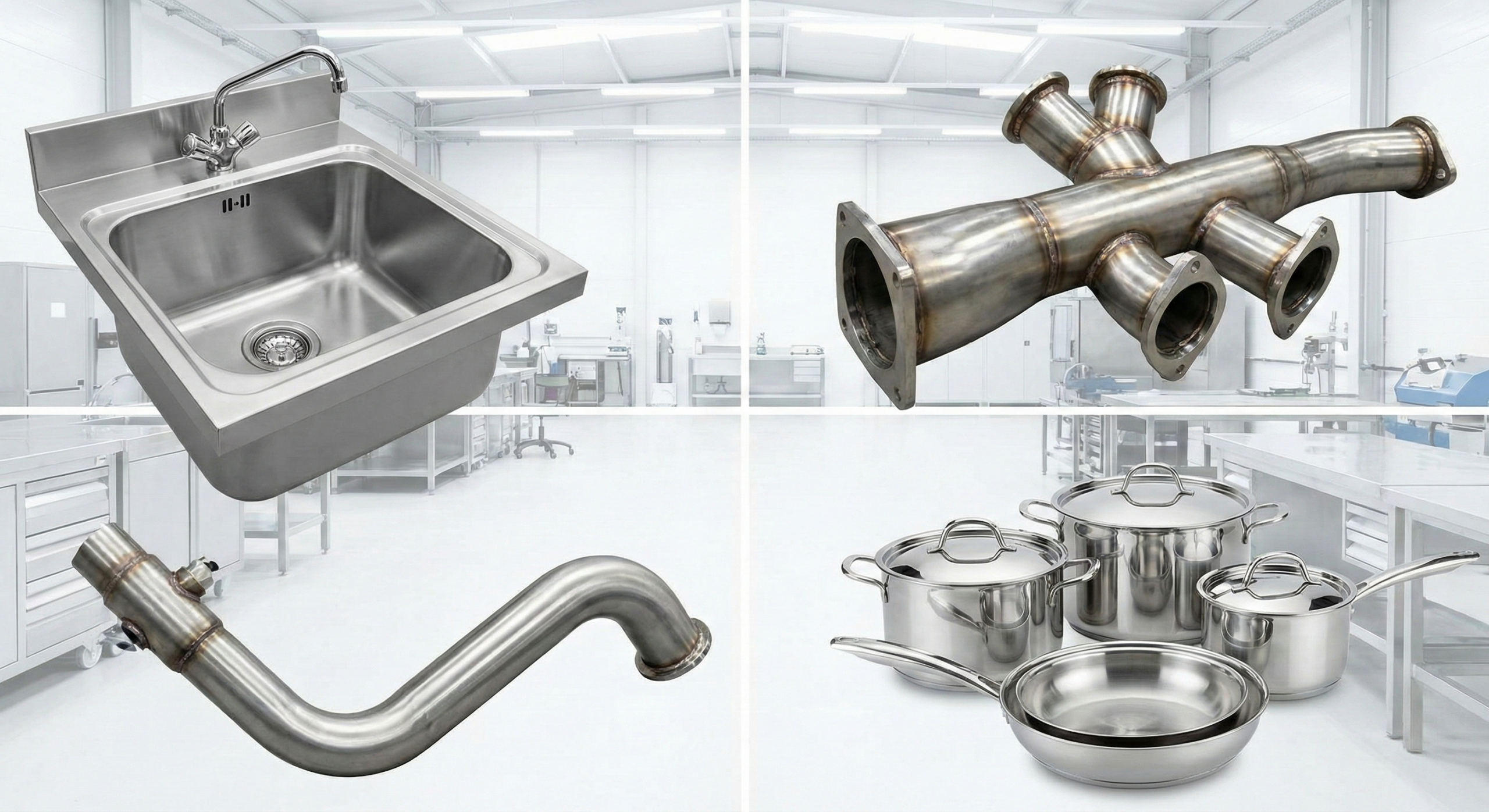
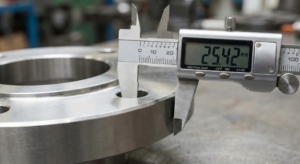
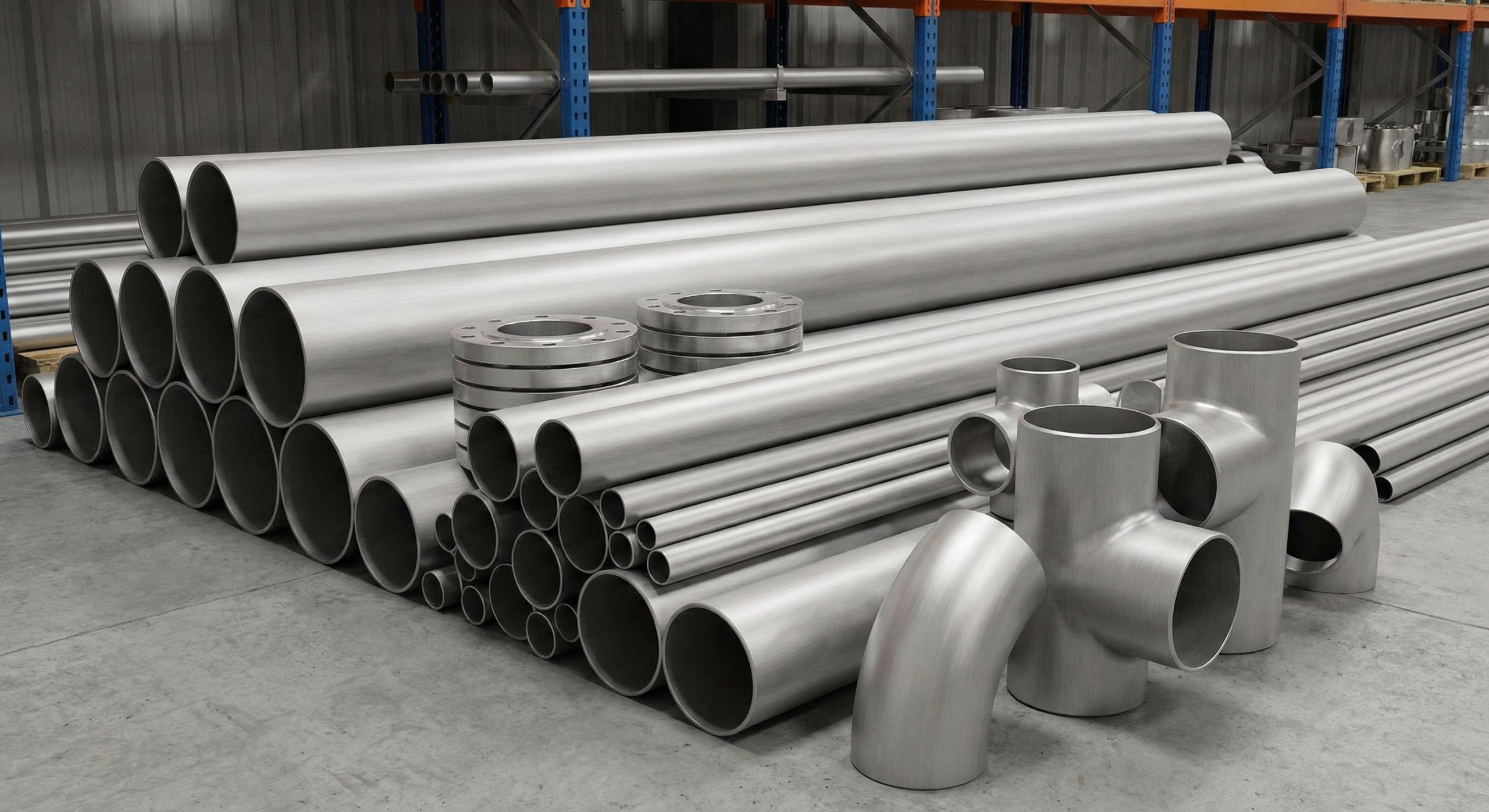
When we get an order for a custom part, nine times out of ten, the base material is 304. We can take a standard pipe, anneal it to make it softer, bend it into a complex elbow, and weld fittings onto it with no issues. It behaves predictably. This workability is a huge reason for its popularity. It allows manufacturers like us to create everything from a simple flange to a complex, custom-bent pipe system efficiently. It's the perfect raw material because it gives us so much flexibility.
A Jack of All Trades
The utility of 304 comes down to three main properties that make it a manufacturer's and engineer's favorite.
Easy to Work With
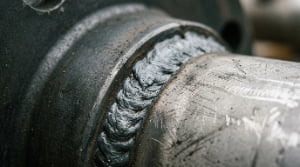
304 has excellent formability. This means it can be deep-drawn to make sinks, roll-formed into tubes, or bent into tight-radius elbows without cracking. It's also one of the easiest stainless steels to weld, creating strong and reliable joints. This ease of manufacturing keeps production costs down.
Safe and Strong
Inox 304 is non-toxic and easy to clean, which is why it's the standard for the food, beverage, and pharmaceutical industries. Its smooth surface leaves no place for bacteria to hide. At the same time, it has good tensile strength, making it durable enough for structural and industrial applications like piping, tanks, and building facades.
Widely Available
Because it's so popular, 304 is a commodity. It’s produced in massive quantities all over the world, which means it's always in stock and easy to buy. This availability keeps prices stable and lead times short, which is critical for keeping a project on schedule and on budget.
When is Inox 316 absolutely necessary?
Sometimes, the reliable workhorse Inox 304 just isn't enough. Using it in a very harsh environment can lead to costly, even catastrophic, failure. You have to know when to upgrade.
You must use Inox 316 in environments with high chloride concentrations. This includes marine applications, coastal construction, and equipment for processing chemicals, pharmaceuticals, or brines. The molybdenum in 316 is essential to prevent failure in these conditions.

I once consulted on a project for an architectural feature on a building right on the coast. The original spec called for 304 to save money. I warned them that the constant salt spray from the ocean would cause rust stains and pitting within a few years. They decided to take the risk. Sure enough, three years later I got a call. They were spending a fortune on maintenance and were planning a full replacement with 316. Paying a little more for 316 from the start would have been much, much cheaper.
The Non-Negotiable Upgrade Scenarios
The decision to use 316 is not a matter of opinion; it's a requirement dictated by the environment. If your project falls into one of these categories, the choice is already made for you.
| Application | Environmental Challenge | Why 316 is Essential |
|---|---|---|
| Marine Hardware | Constant exposure to saltwater spray and immersion. | Salt (sodium chloride) will rapidly cause pitting corrosion on 304. 316 resists this attack. |
| Chemical Processing | Contact with acids, chlorides, and other corrosive chemicals. | 316 offers broader resistance to a range of industrial chemicals that would destroy 304. |
| Coastal Architecture | Salty air and humidity. | Even without direct water contact, airborne salt particles will settle on surfaces and cause corrosion on 304. |
| Pharmaceuticals | Frequent sterilization with chloride-based solutions. | The aggressive cleaning agents require the superior chemical resistance of 316 to maintain a sterile, non-corroding surface. |
Using 304 in these situations isn't cost-saving; it's just delaying a much bigger expense. 316 is the correct engineering choice for environments that are actively trying to destroy the steel.
Conclusion
Inox 304 is the world's favorite stainless steel for a simple reason: it hits the sweet spot. It provides the perfect, cost-effective balance of performance for most jobs.