Struggling with costly shutdowns for simple pipe maintenance? A welded pipe seems cheap until a valve fails, forcing you to use cutting torches in a risky zone.
A flanged pipe is a modular piping component that uses bolted plates (flanges) to create a strong, yet easily detachable connection. Its purpose is to provide access points for maintenance, repair, and equipment replacement, acting as a crucial "insurance policy" for your entire system's operational uptime.
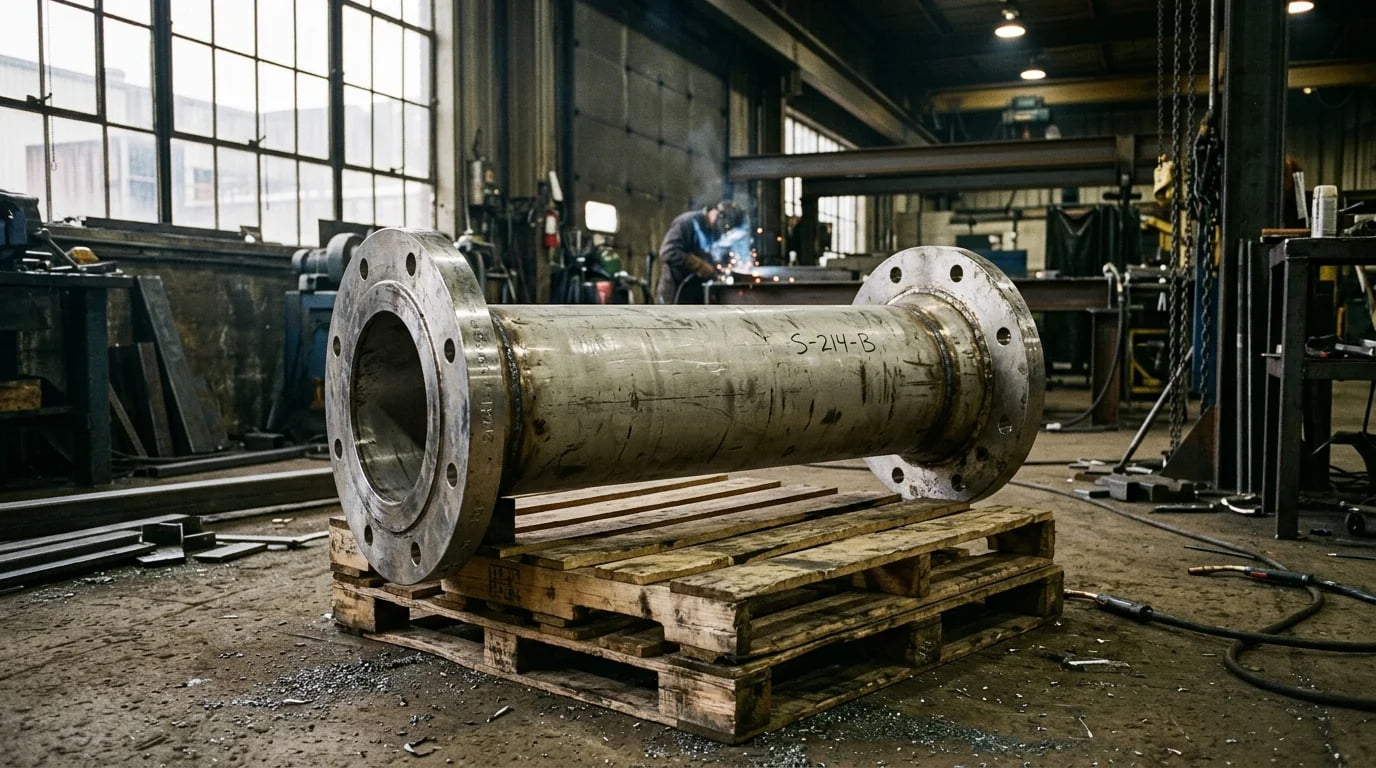
You might see the higher price tag and hesitate. But let me tell you from experience, the real cost of a piping system isn't what you pay upfront. It's what you pay when things go wrong. In my 20+ years in this business, I've learned that a flanged joint isn't just a component; it's a strategy. It's the difference between a one-hour fix and a one-week shutdown. Let's break down why this 'expensive' choice is actually the most economical one you can make for any serious industrial application.
What Does a Flanged Pipe Joint Drawing Really Tell You?
You're looking at a technical drawing, seeing lines and numbers. It seems straightforward. But miss one critical detail, and you could order a part that causes massive stress and leaks.
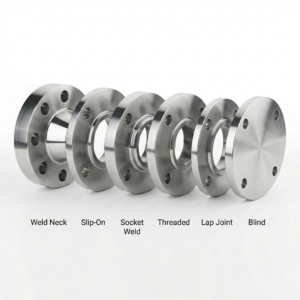
A flanged pipe joint drawing specifies more than just dimensions. It details the flange type (e.g., Weld Neck), pressure class, face type (e.g., Raised Face), bolt circle diameter, and weld prep. These details are crucial for ensuring perfect alignment and a leak-proof seal between connecting components.
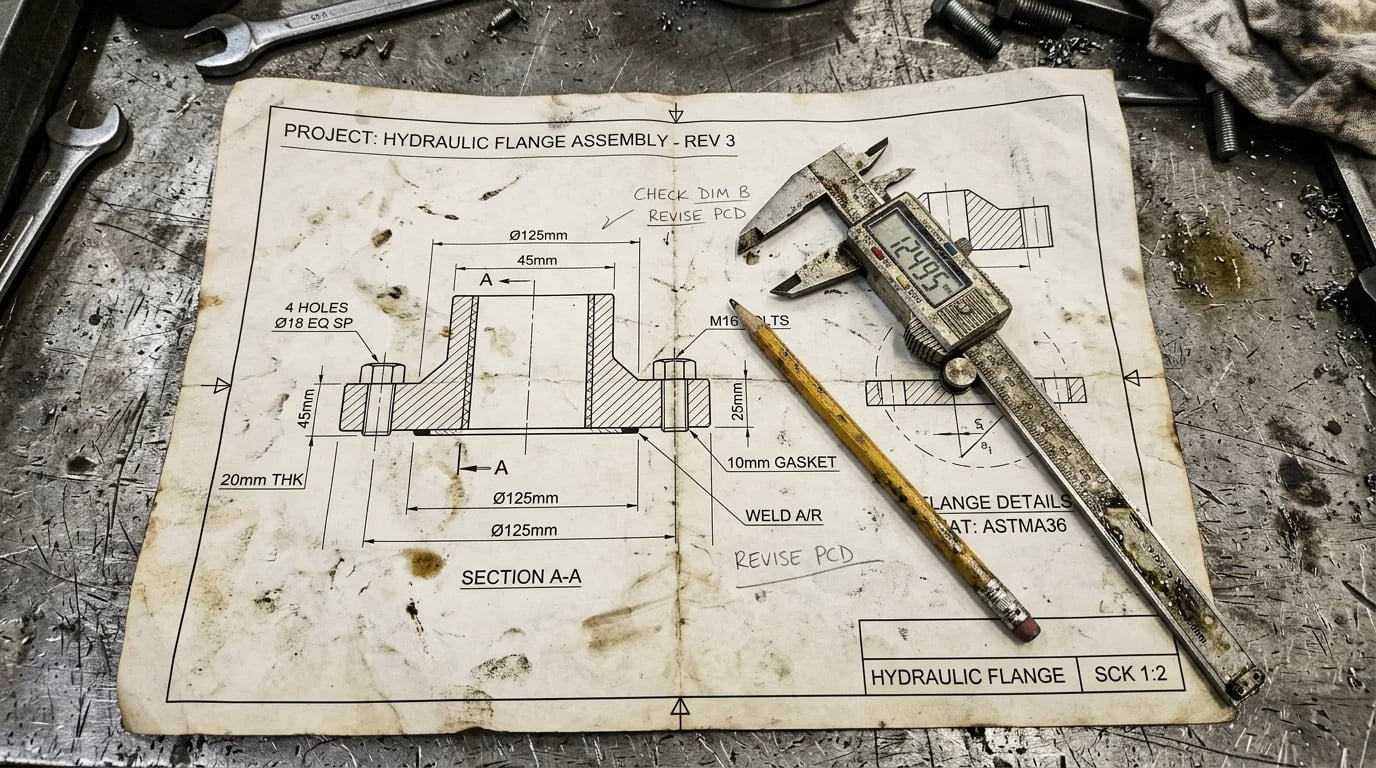
A drawing is the first step to avoiding the number one cause of flange failure: stress. I've seen projects delayed by weeks because someone overlooked the "RF" (Raised Face) note on a drawing. They ordered a Flat Face flange by mistake, and the two simply wouldn't seal together. The drawing is a contract between the designer and the fabricator. Understanding its language is essential. It's not just about the pipe's length and diameter; it's about the fine print that ensures a perfect fit.
Here’s what you should always check:
| Drawing Element | Why It's Critical |
|---|---|
| Nominal Pipe Size (NPS) | Defines the pipe's flow capacity. A mismatch here is a fundamental error. |
| Flange Pressure Class | Indicates the maximum pressure the joint can handle. Must match system needs. |
| Flange Facing (RF, FF) | Dictates the gasket type and sealing mechanism. A mismatch guarantees a leak. |
| Bolt Circle & Hole Size | Ensures the flanges can actually be bolted together. No exceptions. |
| Weld Specification | Defines how the flange is attached, affecting the joint's structural integrity. |
Every detail on that drawing translates to performance in the field. Getting it right from the start is how we, at the factory, help you avoid problems months or even years down the line.
What is the True Meaning of a Flanged Joint in a Piping System?
You see a joint held together by bolts and think it's just a simple connection. But this overlooks its strategic importance. In a crisis, a welded system is a permanent problem.
A flanged joint is a detachable connection between two pipes, a pipe and a valve, or other equipment. Its meaning is strategic: it provides a planned point for inspection, maintenance, replacement, and system modification, offering crucial flexibility that welded joints lack.
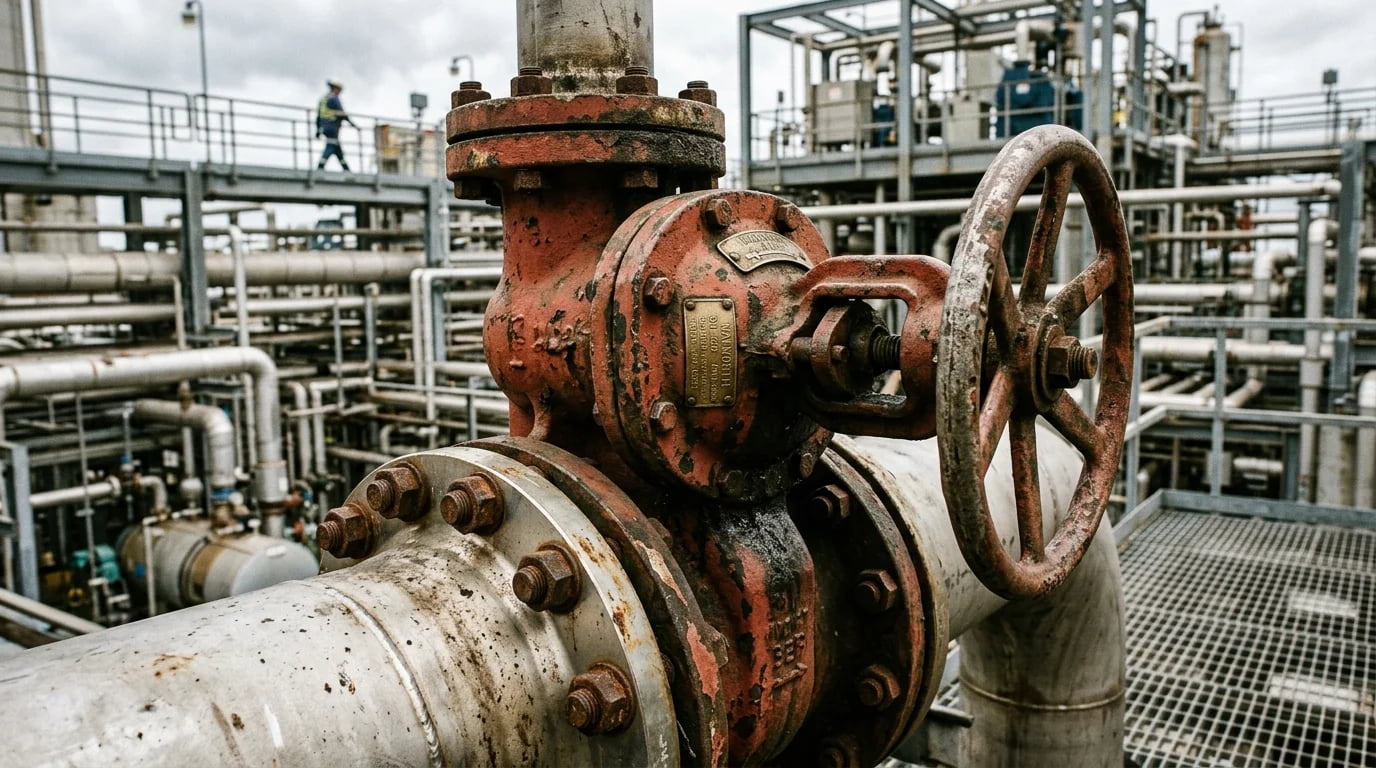
I call the flanged joint the "undo button" for your piping system. Many clients initially complain that a flanged pipe is more expensive than a simple welded pipe. They're right about the initial cost. But they are wrong about the total cost. Let me paint a picture. In a chemical plant, a critical pump fails. If the pipes are welded, you need a hot work permit. You bring in a cutting torch and a grinder. Sparks are flying, so you need a fire watch. The entire unit has to shut down. One day of lost production can cost hundreds of thousands of dollars.
Now, imagine the same scenario with flanged joints. You isolate the pump, unfasten a few bolts, and lift the broken equipment out. The replacement drops in, you tighten the bolts, and you're back online. The extra cost of the flange just paid for itself ten times over. It’s not an expense; it’s insurance for ‘fast recovery’.
| Feature | Flanged Joint | Welded Joint |
|---|---|---|
| Assembly | Easy, with basic hand tools. | Requires skilled welders and special equipment. |
| Maintenance | Simple component replacement. | Major, time-consuming repair involving cutting. |
| Initial Cost | Higher. | Lower. |
| Lifecycle Cost | Lower, due to massively reduced downtime. | Higher, due to expensive maintenance and downtime. |
The smart money isn't on the cheapest part. It's on the connection that keeps your plant running. That's the real meaning of a flanged joint.
How Do You Read a Flanged Joint Diagram for a Perfect Seal?
You look at a cross-section diagram of a flanged joint. It seems simple enough: two flanges, a gasket, and some bolts. But the interaction between these parts is a precise science.
A flanged joint diagram shows the critical relationship between the flanges, the gasket, and the bolts. The bolts apply compressive force, which deforms the gasket into the microscopic serrations of the flange faces, creating a tight seal capable of containing the system's pressure.
Many people look at the thickness of a flange to judge its quality. That's an amateur mistake. The real soul of the joint is the sealing face. Those fine, circular grooves, often called waterlines or serrations, are not for decoration. They are machined to a specific depth and texture to bite into the gasket and create a labyrinth seal. If that face gets a deep scratch or a dent during transport, the pipe is practically useless. That's why we ship all our flanges with plastic protective covers. It’s not to make them look nice; it’s a life-saving measure for the joint.
The diagram shows a system in perfect balance:
- The Flanges: Provide the rigid structure and the all-important sealing face.
- The Gasket: The unsung hero. It's the soft material that deforms to fill every tiny imperfection between the two hard faces. Using the wrong material or a damaged gasket is asking for trouble.
- The Bolts: Provide the clamping force. This force must be applied evenly. Uneven tightening will crush one side of the gasket and leave the other side loose, creating a guaranteed leak path.
I once visited a site with a weeping flange. The team had replaced the gasket three times. I ran my fingernail across the flange face and felt a tiny scratch, probably from being dropped. That was the culprit. We had to replace the entire section. That's how critical the sealing face is.
What's the Secret to a Flawless Flange Pipe Joint Assembly?
You have all the right parts: certified flanges, a quality gasket, and high-strength bolts. Assembly should be easy, right? But one wrong move can ruin the entire joint.
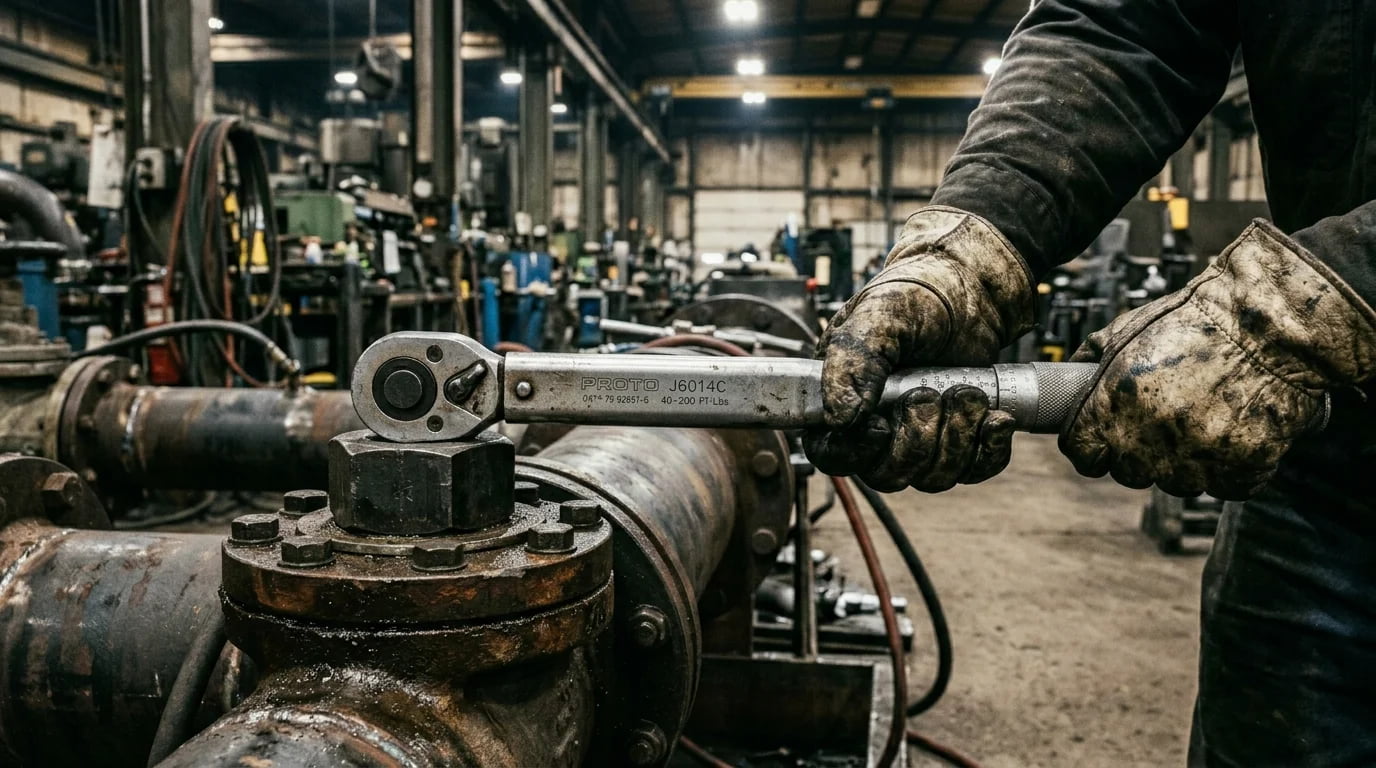
The secret to a perfect flange pipe joint assembly is meticulous preparation and execution. This includes cleaning the sealing faces, ensuring perfect pipe alignment to avoid stress, inserting the gasket correctly, and tightening the bolts incrementally in a star pattern using a calibrated torque wrench.
In my 20 years in the workshop, I can tell you that 90% of flange failures come from one word: stress. This stress is almost always introduced during assembly. I once saw a crew use a chain hoist to pull two misaligned pipes together so they could get the bolts in. I had to stop them. Forcing them together like that puts the metal under constant, immense tension. It’s a ticking time bomb. That joint will leak, I guarantee it. The philosophy at Huabo is simple: one extra hour spent on proper alignment in the field saves a week of repairs later.
Here's the process that never fails:
- Inspect and Clean: Before anything else, look at the flange faces. Wipe them clean. Make sure there are no scratches or dirt. Check the gasket for defects.
- Align Perfectly: The flange faces must be parallel. The bolt holes must line up naturally, without any force. If they don't, you need to fix the pipe supports, not force the flanges.
- Position the Gasket: Carefully place the gasket, ensuring it is perfectly centered. Do not use any grease or sealant unless the gasket manufacturer specifically requires it.
- Tighten with Care: Insert bolts and hand-tighten them. Then, use a torque wrench to tighten in a star pattern. Apply the torque in stages: first to 30%, then 60%, then to the final 100%. This compresses the gasket evenly, creating a perfect seal.
Is a Collar Joint Pipe the Same as a Flanged Pipe?
You hear terms like "collar joint" and "flange joint" and might think they are interchangeable. But confusing them can lead to specifying the wrong component for your application.
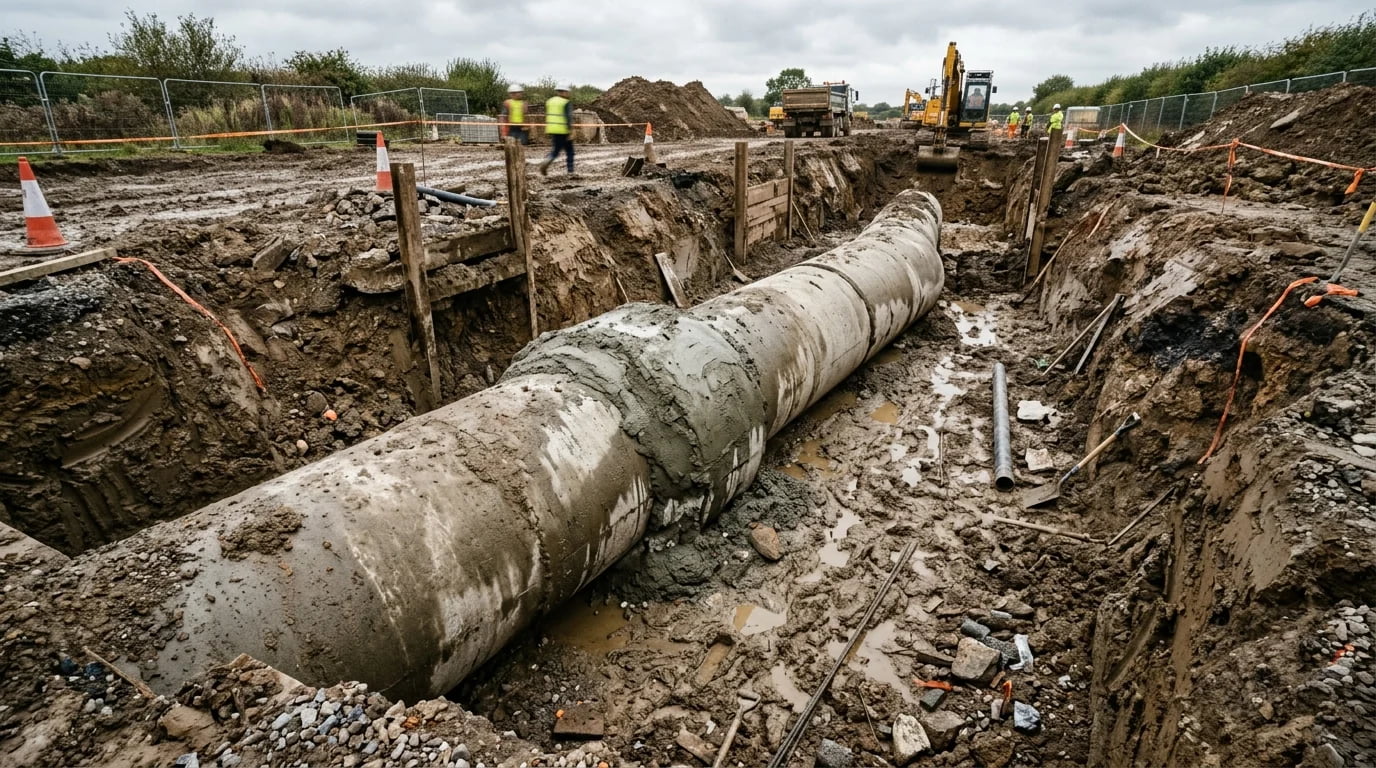
No, a collar joint is not the same as a flanged pipe joint. A collar joint uses a sleeve (collar) over two pipe ends, typically for low-pressure drainage and sealed with mortar. A flanged joint uses bolted plates for high-pressure industrial applications and is designed for disassembly.
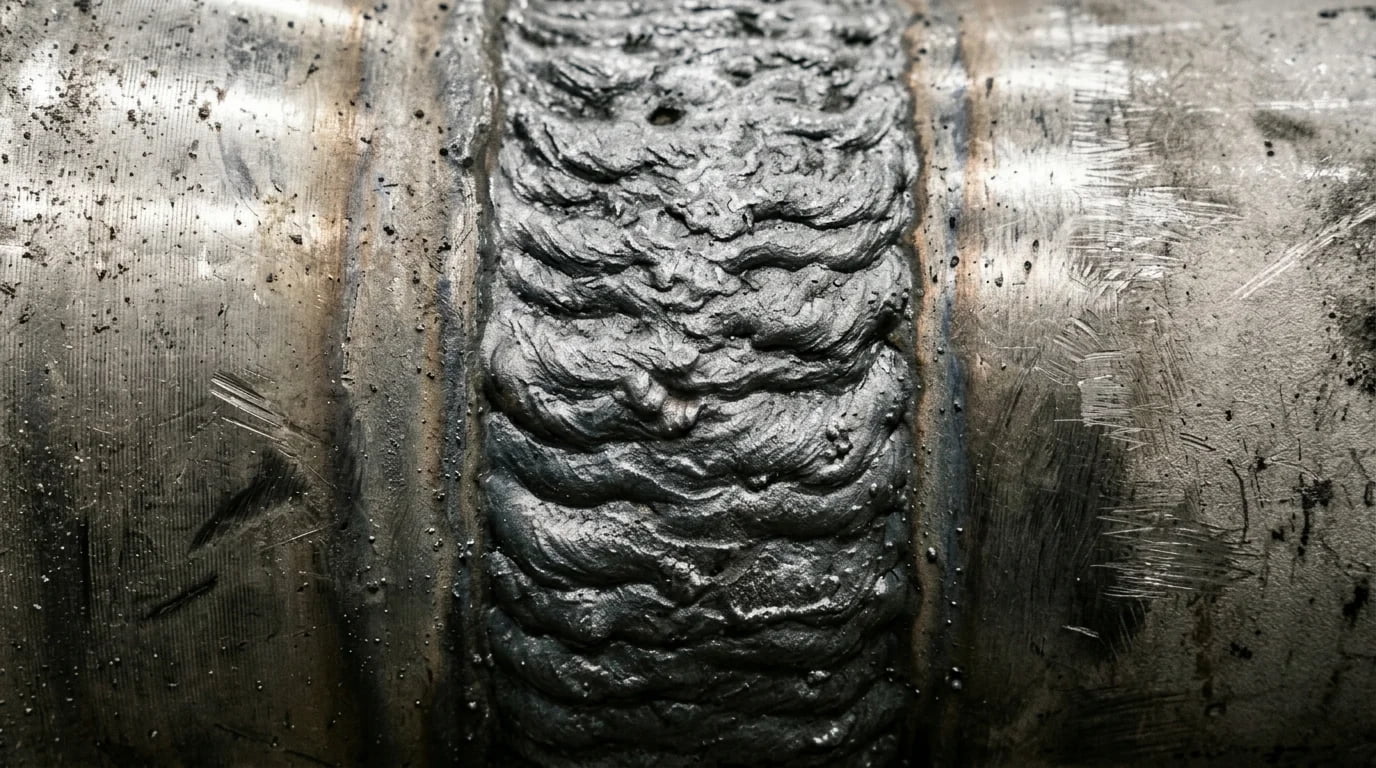
Think of it like comparing a zip-tie to a car's seatbelt. Both connect things, but you would never trust a zip-tie in a high-stress situation. A collar joint is the zip-tie of the piping world. It’s great for what it does: connecting concrete or clay pipes for sewage and storm drainage where the water flows by gravity. It’s a simple, permanent solution for non-pressurized systems.
A flanged joint is the seatbelt. It is engineered for high-pressure, high-temperature, and critical service. It's designed to hold things together under extreme force but also to be released and re-engaged quickly and reliably. You would never use a collar joint on a chemical processing line, just as you would never use a flanged joint for a simple sewer line—it would be massive overkill.
| Attribute | Collar Joint | Flanged Joint |
|---|---|---|
| Pressure Rating | Very Low / Gravity-fed | Low to Very High (per flange class) |
| Primary Use | Drainage, Sewer, Culverts | Industrial Process, Oil & Gas, Power Plants |
| Sealing Method | Cement Mortar or a simple rubber ring | Gasket compression between machined faces |
| Reusability | None. It's a permanent joint. | High. Designed for repeated disassembly. |
Knowing the difference is fundamental to engineering a safe and effective piping system. One is for drainage, the other is for industry.
Why is the Weld the Unsung Hero of a Flange Joint?
You focus on the bolts and the gasket when you think about a flanged joint's strength. The weld that attaches the flange to the pipe seems like a simple, secondary step.
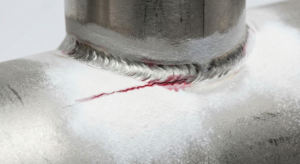
The weld is critical because it permanently joins the flange to the pipe, establishing the joint's final alignment and strength. A proper weld ensures the flange face is perfectly perpendicular to the pipe's axis, preventing the stress that leads to leaks and joint failure.
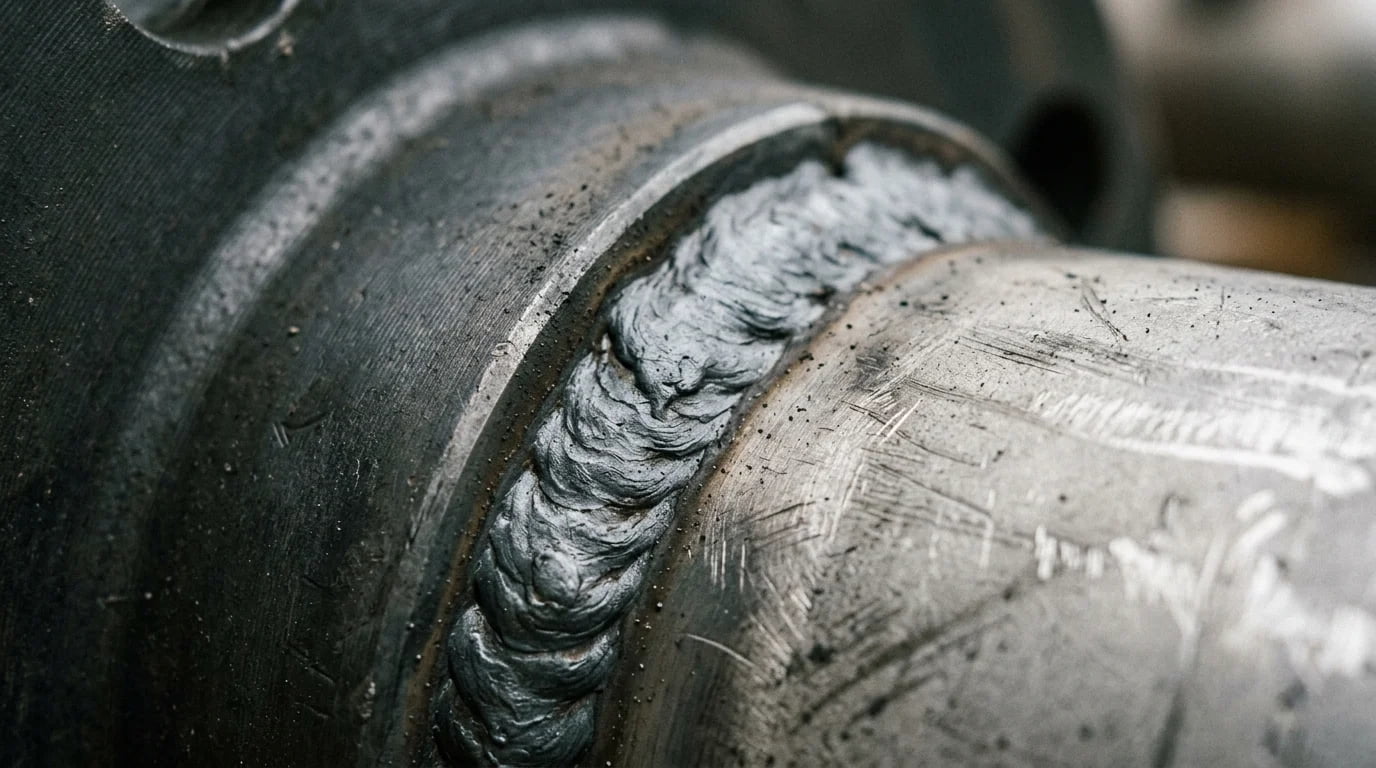
The most common point of failure for a flanged pipe begins here, at the weld. We use special jigs in our factory to hold the flange at a perfect 90-degree angle to the pipe during welding. Why are we so obsessed with this? Because a tiny error of just half a degree on a 10-meter-long pipe means the flange at the other end will be misaligned by nearly 9 centimeters. When the installation crew tries to bolt that pipe to a pump, they have to physically pull or push it into place. This creates enormous stress on the flange face, the weld, and the bolts. It’s a failed joint before it even enters service.
There are different types of welds, but for critical applications, the Weld Neck flange is king. Its tapered hub becomes an integral part of the pipe through a high-quality butt weld. This design transfers stress from the flange into the pipe itself, creating a much stronger and more durable connection. A simpler Slip-On flange, which is welded inside and out, is easier to fit but doesn't offer the same structural integrity for high-pressure or high-fatigue services. The weld isn't just holding the flange on; it's setting the foundation for a leak-free service life.
Conclusion
A flanged pipe is your system's insurance policy. Its value lies not in its price but in its precision—from the weld to the sealing face—ensuring long-term operational reliability.