
Struggling to choose the right flange for your piping project? The wrong choice can lead to leaks, costly repairs, or even safety hazards. You need a simple guide to make the right call.
The six most common flange types are Weld Neck, Slip-On, Socket Weld, Threaded, Lap Joint, and Blind. Each is designed for specific pressures, temperatures, and applications. Choosing the correct one is crucial for system integrity, cost-effectiveness, and safety on the job site.
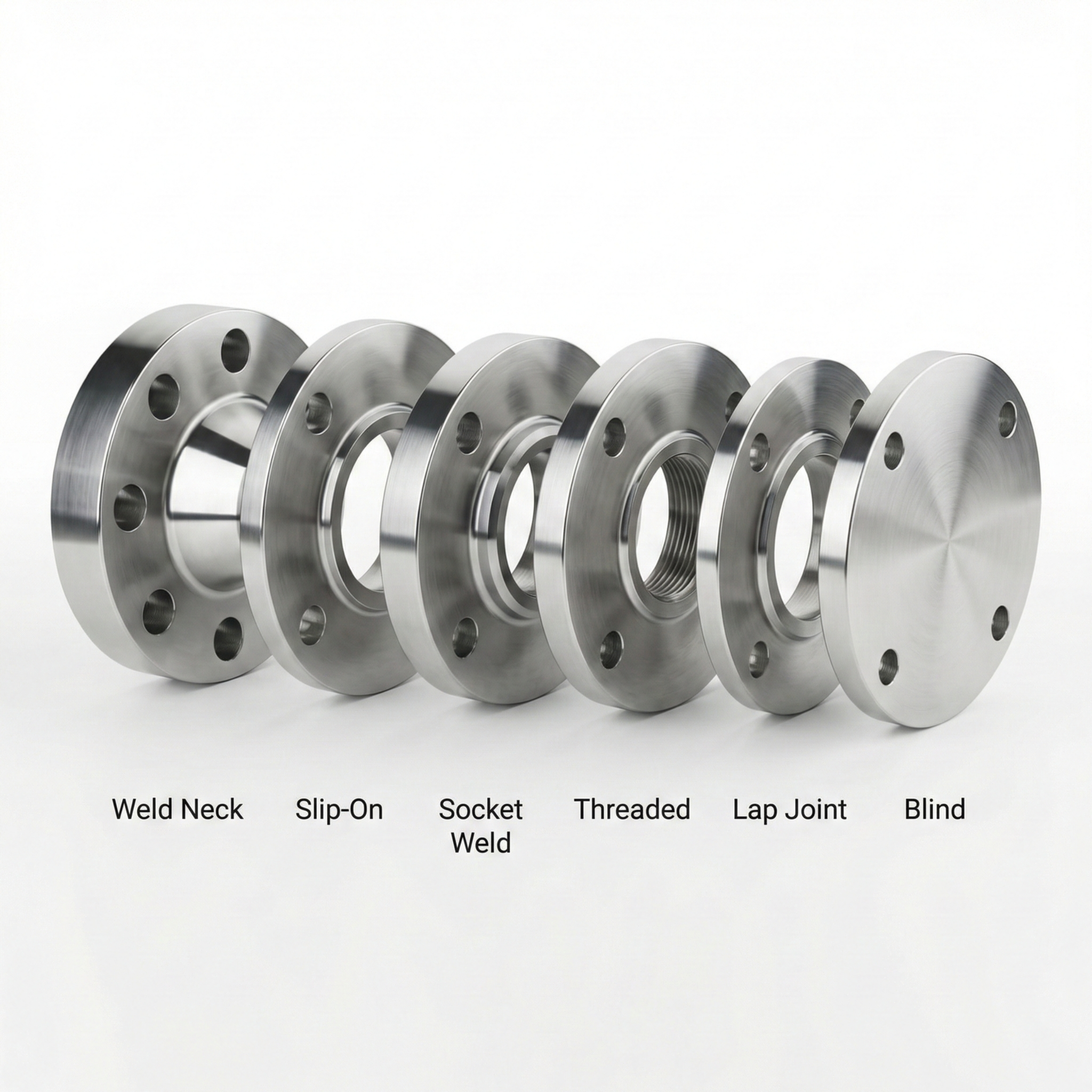
I've been in this business for over 20 years, and I've seen every kind of flange connection you can imagine. People often think a flange is just a flange, but that's a dangerous mistake. Each one has a job, a personality, and a price tag. Let me walk you through the ones you'll see most often. I'll tell you what I've learned from my time in the field, so you can avoid the common pitfalls and choose with confidence. Let's get started.
What are the different types of flanges and their uses?
You're facing a high-pressure, high-temperature job. Maybe the fluid inside is toxic. You can't afford any mistakes. This is when you need the toughest flange in the box.
For demanding services, you must use a Weld Neck flange. Its long, tapered hub provides crucial reinforcement, transferring stress from the flange to the pipe itself. This design is the best for handling high pressure, extreme temperatures, and hazardous materials, ensuring a reliable, leak-proof connection.
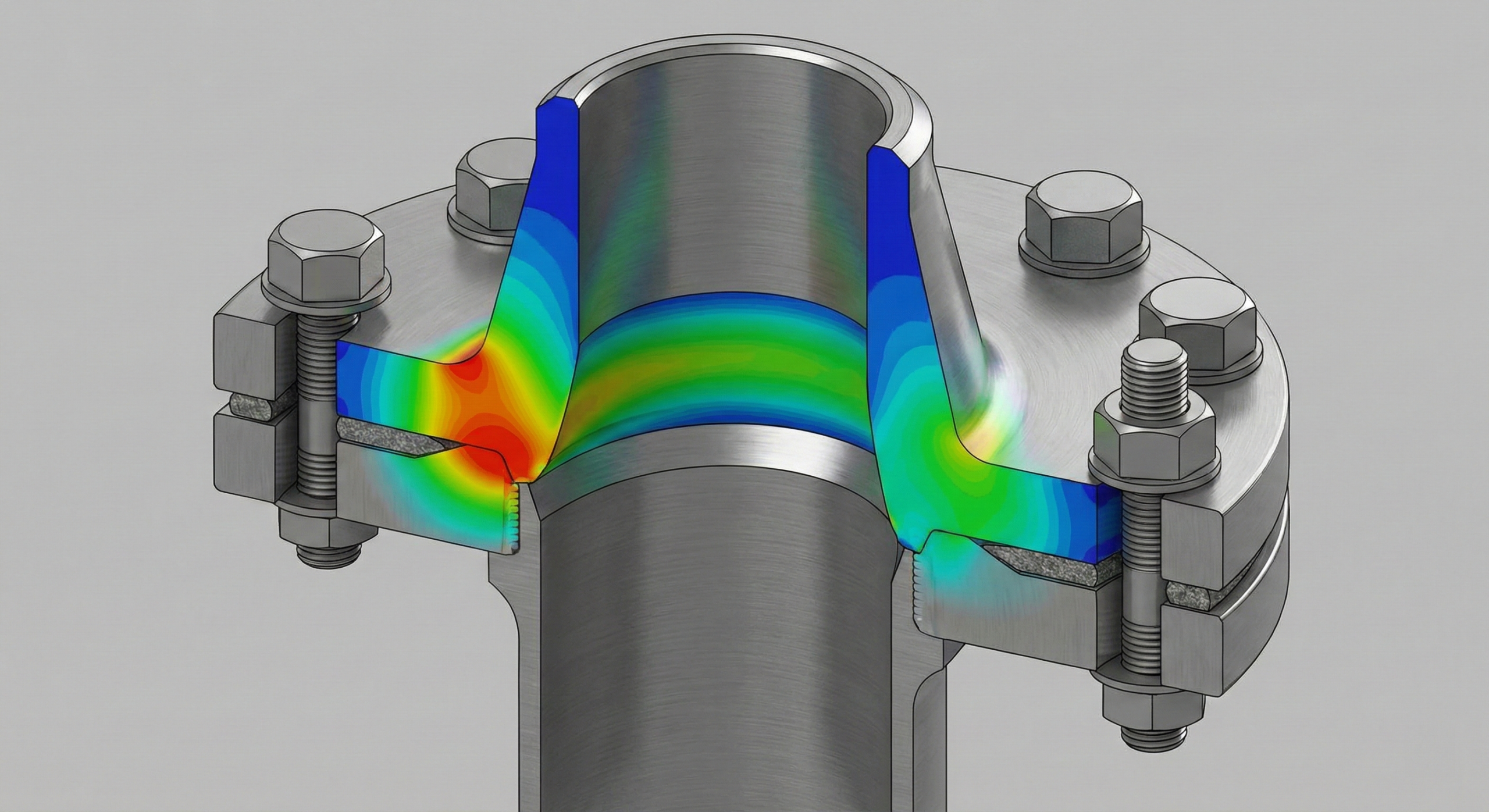
Let me be direct. If you have a critical application, don't even consider another flange. The Weld Neck is the "heavy-lifter" of the flange world. Yes, it costs more. And yes, it's the most challenging to install. The pipe end must be beveled perfectly to match the flange's neck. The alignment has to be exact. After welding, you often need to do radiographic testing (X-ray) to ensure the weld is flawless. This all adds time and money to the project. But I can tell you from experience, the peace of mind is worth every penny. When I specify a Weld Neck flange for a tough job, I know I can sleep at night without worrying about a catastrophic failure. It’s the choice you make when safety and long-term reliability are non-negotiable.
| Feature | Weld Neck Flange | Slip-On Flange |
|---|---|---|
| Pressure Rating | Excellent | Fair to Good |
| Fatigue Strength | Excellent | Poor |
| Installation Cost | High | Low |
| Required Skill | High (Welder & Fitter) | Moderate |
| Use Case | High-pressure, critical systems | Low-pressure, general utility |
What are the most common flange applications?
You need a reliable flange for a general-purpose job. The pressure isn't extreme, and the budget is tight. You need a workhorse flange that's easy to install and gets the job done without breaking the bank.
The Slip-On flange is the most common choice for general, low-pressure applications. It's cheaper than a Weld Neck and much easier to install. The pipe just slides inside, and it's welded on both the inside and outside, making it a versatile and cost-effective solution.
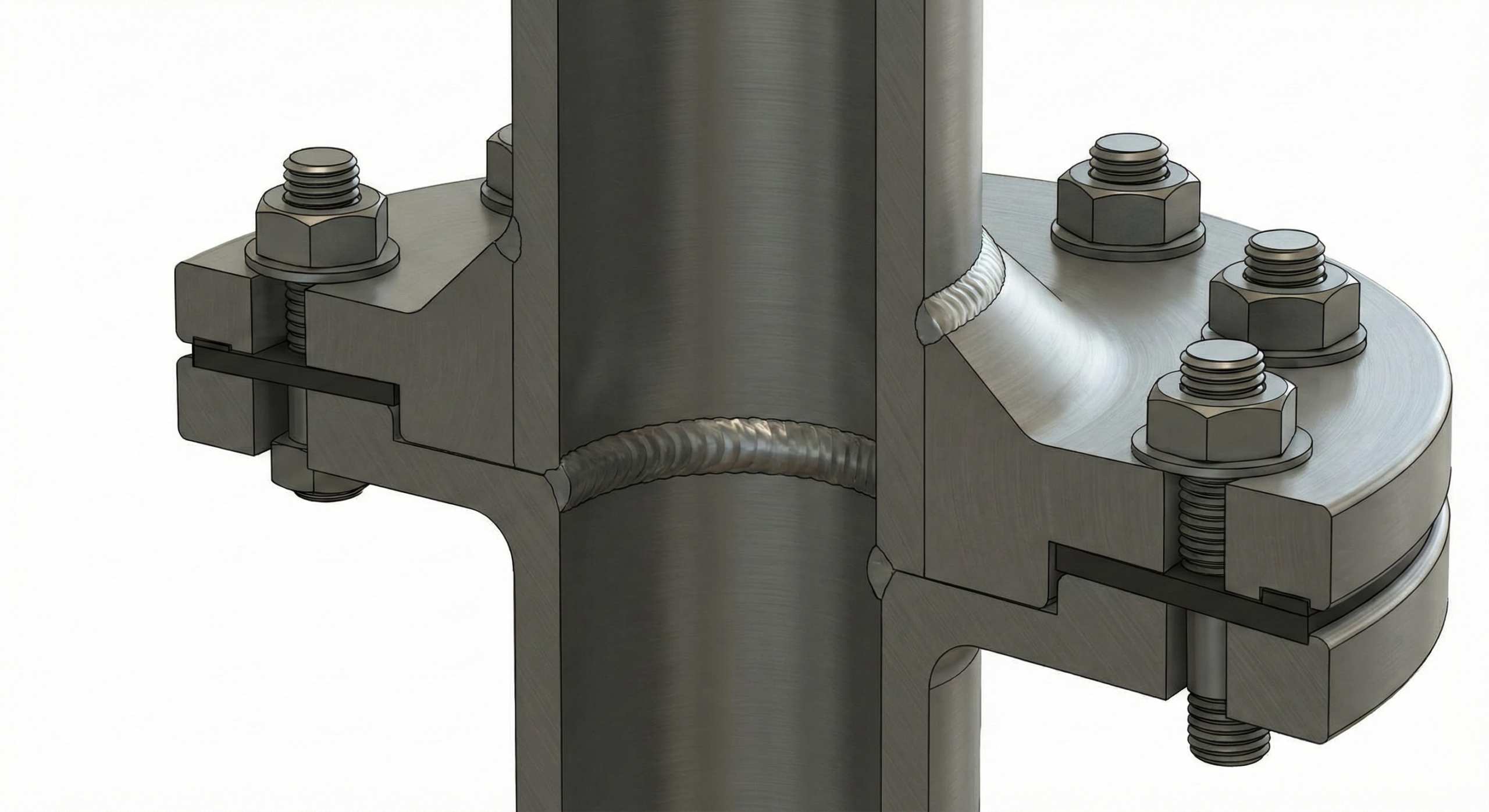
In most plants, you'll see Slip-On flanges everywhere. They are the "all-rounders." Why? They're affordable and very forgiving during installation. If the pipe isn't cut to a perfectly exact length, it's not a big deal because the flange slides over it. This makes the fit-up process much faster for the welders. You just weld it at the hub on the outside and at the bore on the inside. However, you get what you pay for. Its strength is significantly lower than a Weld Neck. I would never recommend a Slip-On for a high-pressure line or a system with a lot of temperature changes or vibration. Under that kind of stress, they can develop cracks over time. But for standard water lines, low-pressure process lines, and other non-critical services, it's my go-to recommendation. It balances cost and performance perfectly for everyday jobs.
How do you choose a flange for small pipes?
You're working with small-diameter pipes, typically under 2 inches (DN50), but the pressure is high. A Slip-On isn't strong enough, and a Weld Neck is overkill and too bulky for the small size.
For high-pressure, small-bore piping, the Socket Weld flange is the ideal choice. The pipe is inserted into a socket on the flange and then welded around the outside. This creates a strong connection that's easier to install than a small Weld Neck flange.
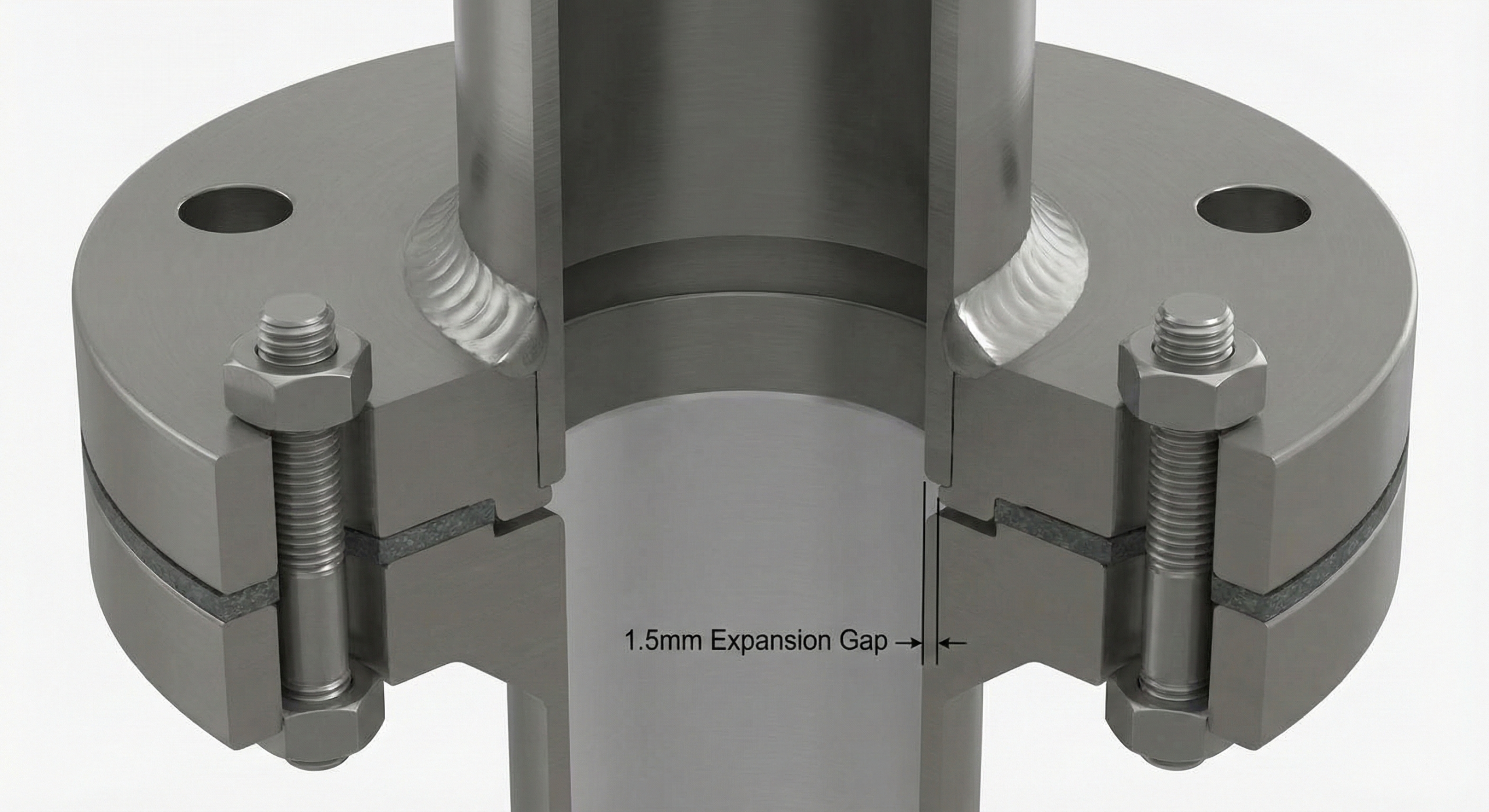
I like Socket Weld flanges for small lines because they give you a clean flow path and good structural strength. The pipe fits snugly into the socket, which helps with alignment before welding. You don't have to bevel the pipe end, which saves a lot of prep time on small-diameter pipes. But there is a critical trick that many rookies get wrong. After you insert the pipe fully into the socket, you must pull it back about 1.5mm (1/16 inch) before you start welding. I have seen so many welds crack because a new welder didn't do this. Why? It leaves a small expansion gap. When the pipe heats up during operation, it expands. Without that gap, it pushes against the bottom of the socket, creating immense stress at the root of the weld, and eventually, it cracks. Remember this tip; it will save you from major headaches down the line.
When should you use a non-welded flange?
Imagine you're working in a "no-go" zone for hot work. This could be an area with explosive gases or a finished facility where you can't get a welding permit. You need to connect a pipe, but welding is out of the question.
A Threaded flange is your solution when welding is not an option. It has threads on the inside that match the threads on the pipe. You simply screw it on. It's perfect for explosion-proof areas or for temporary lines where you need quick assembly and disassembly.
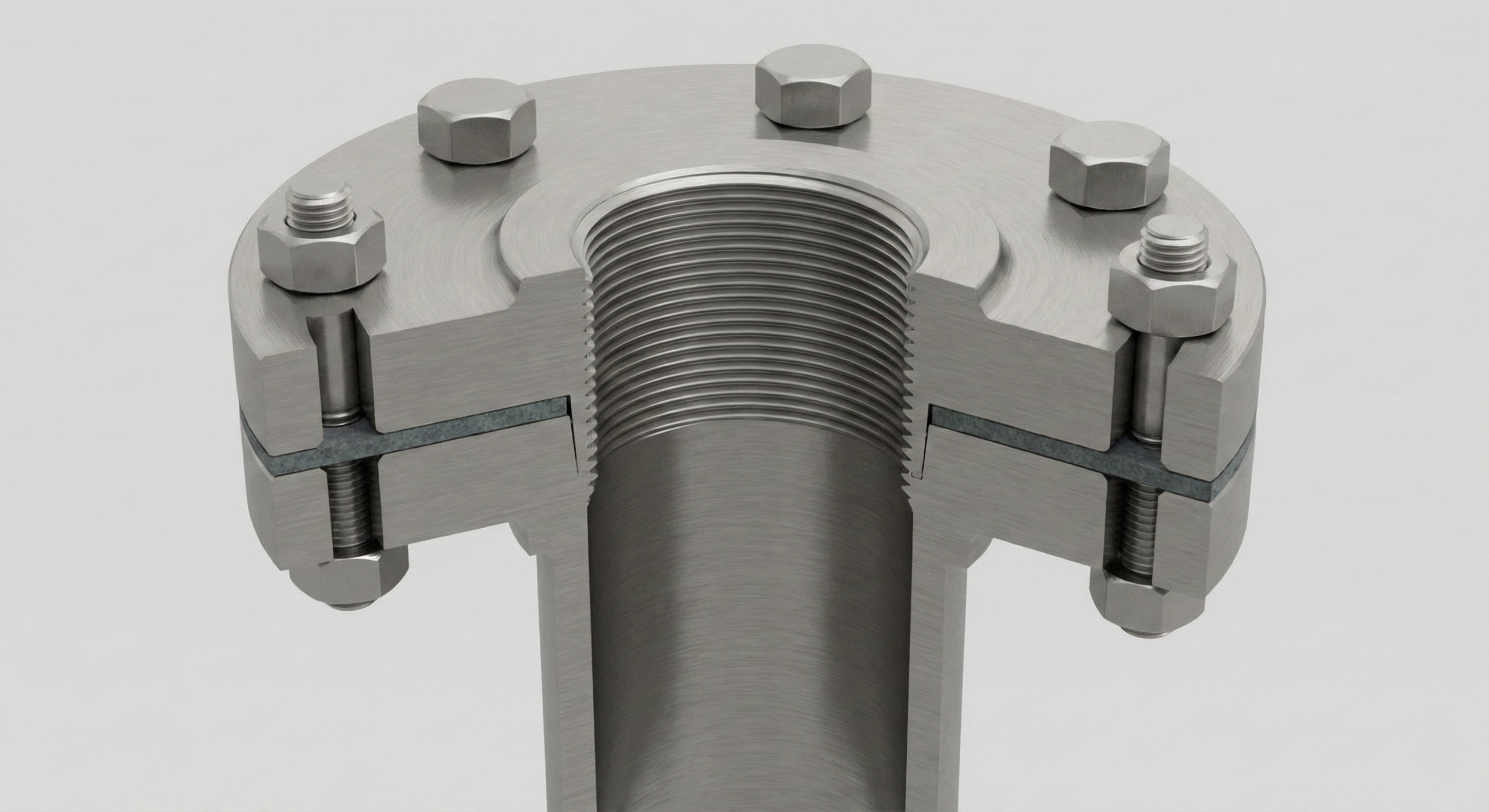
The biggest advantage of a Threaded flange is obvious: no welding. You just need a pipe wrench. This makes it a lifesaver in certain situations. I've used them in refineries and chemical plants where getting a hot work permit is a nightmare. They're also great for utility services like air and water in areas where you want to avoid welding. However, they have a serious weakness. The threads themselves are a potential leak path. If you have a system with a lot of vibration or big temperature swings that cause the pipe to expand and contract, the threads can loosen over time. I would never, ever use a threaded flange for any hazardous or high-pressure service. It's a risk that's just not worth taking. But for the right, low-risk application, it's an incredibly useful problem-solver.
How can you reduce the cost of high-alloy flanges?
Your project requires exotic materials like Duplex steel or Hastelloy because of corrosion issues. A solid flange made from these materials is incredibly expensive. Your project manager is looking at you to find a way to cut costs.
Use a Lap Joint flange to save money on expensive alloy piping. This clever two-piece design uses a cheap carbon steel backing flange and a small "stub end" made of the expensive alloy. Only the stub end touches the fluid, giving you corrosion resistance without the high cost.
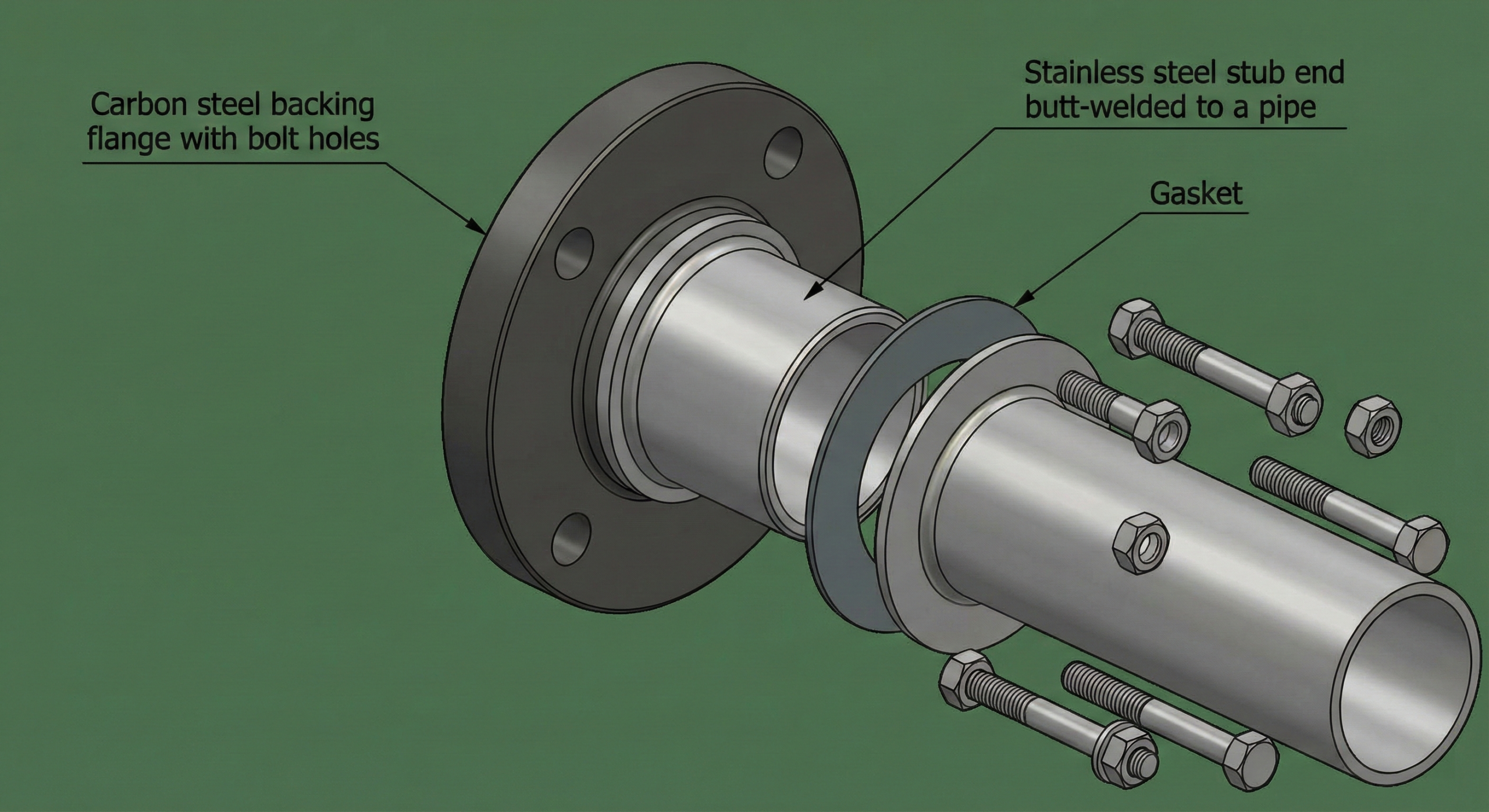
This is one of my favorite "tricks" for saving the project budget. Let's say you need a 10-inch Hastelloy flange. A solid one could cost a fortune. With a Lap Joint, you buy a small Hastelloy "stub end," which gets welded to the pipe. Then, you slip a standard, inexpensive carbon steel flange over it. This backing flange is what provides the pressure and bolting force. The expensive alloy is only used where it's needed—in contact with the corrosive fluid. The savings are massive. As a bonus, the backing flange can rotate freely around the stub end. Anyone who has struggled to align bolt holes on a large, fixed flange knows how amazing this feature is. It makes installation faster and less frustrating for the assembly crew. It’s a win-win: you save money and make the job easier.
Why is a blind flange so important for safety?
You need to seal the end of a pipeline. Maybe it's for a future connection, or maybe you need to isolate a section of the system for maintenance. It seems simple, just a solid plate.
A Blind flange is a solid disc used to block off a pipeline or a vessel nozzle. It is essentially a lid. While it looks simple, it must withstand the full system pressure, making it one of the most highly stressed components in a piping system.
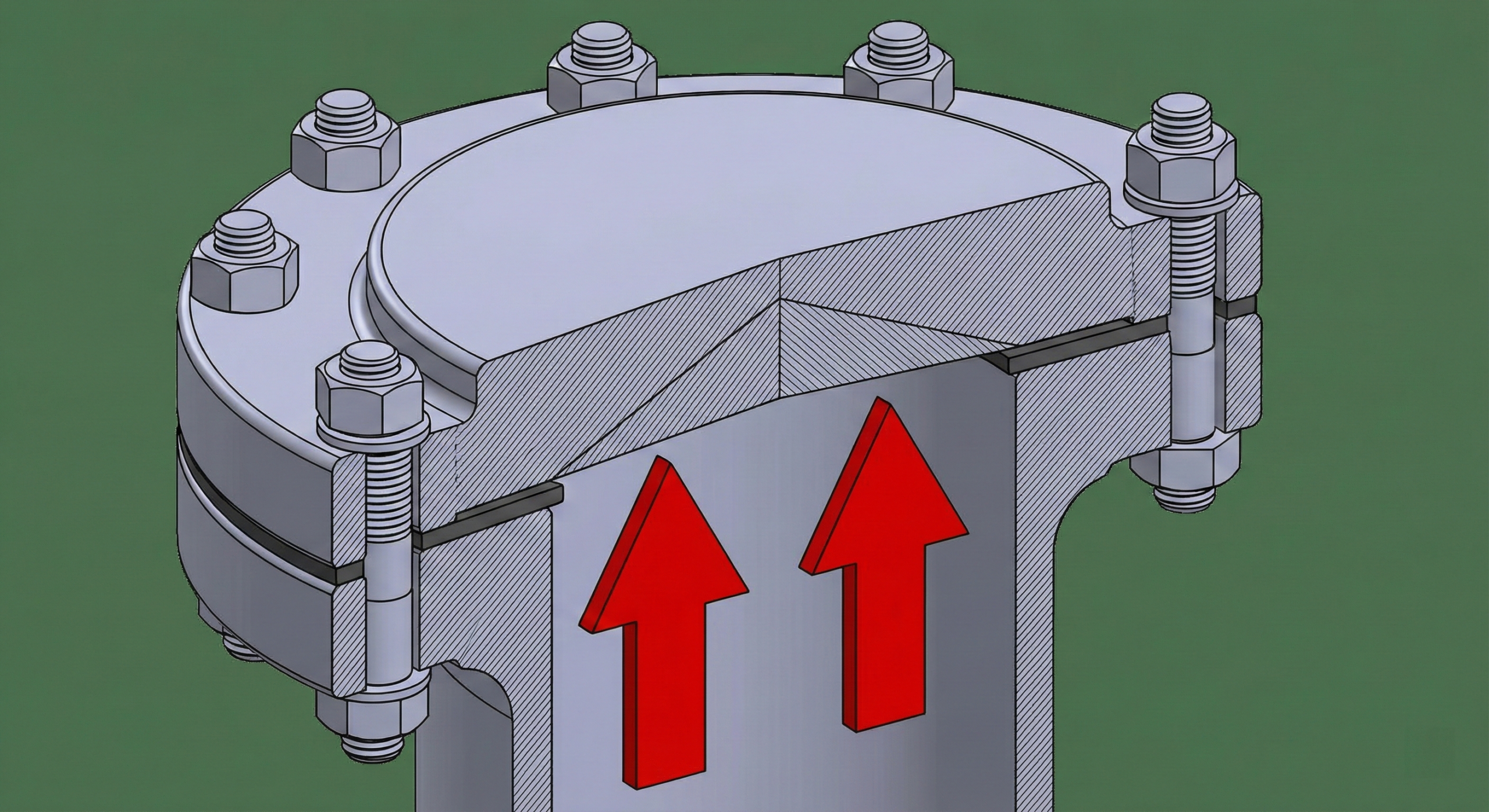
Never underestimate a Blind flange. I've seen people try to save a few dollars by using a thinner plate, and it's a recipe for disaster. Think about it: a regular flange has the pressure balanced on both sides, with stress concentrated at the gasket. A Blind flange takes the entire force of the line pressure pushing on its face, like a drum skin. The force is immense. Its most critical use is for safety during maintenance. When a crew needs to work on a pump or a valve, they will close the valves and install a blind flange to be absolutely sure the line is isolated. If that blind flange fails, the crew is exposed to whatever is in that pipe at full pressure. This is a life-or-death situation. When you select a Blind flange, always use the one rated for the line's pressure class. Don't cut corners. Your life, or the lives of your colleagues, could depend on it.
Conclusion
Choosing the right flange—Weld Neck for high stress, Slip-On for general use, or a Blind for safety—is key. Understanding these six types ensures your piping system is safe, reliable, and cost-effective.